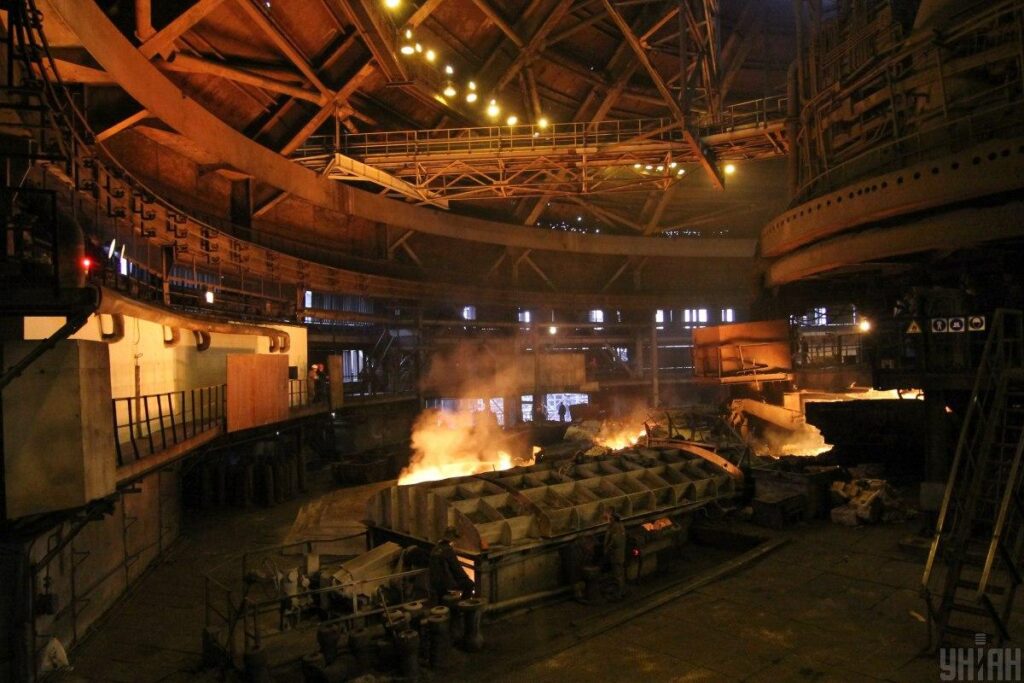
The Ukrainian metal industry is facing a serious crisis. ArcelorMittal Kryvyi Rih, one of the largest steel producers in the country, has announced that it will stop all exports of metal products to the European Union. The reason for this drastic decision is the introduction of the CBAM (Carbon Border Adjustment Mechanism), which will come into effect in 2026 and brings significant costs for Ukrainian companies. According to Mauro Longobardo, the CEO of ArcelorMittal Kryvyi Rih, the company has already lost all existing contracts for exports to the EU.
The impact of this decision is far-reaching: ArcelorMittal Kryvyi Rih plans to lay off up to 3,000 employees. This will not only hit the affected workers and their families hard but also the entire region, which is heavily dependent on the metal industry. The CBAM, aimed at reducing CO2 emissions, has proven to be a critical factor for Ukrainian companies that are already suffering under the economic conditions of the war.
The company originally planned to export about 1.25 million tons of metal products to the EU in 2026, which accounted for nearly half of the planned production volume. These figures highlight the scale of the crisis, which is exacerbated by the new tax system. Pressure on the Ukrainian metal industry will increase as companies must adapt to the new rules while simultaneously trying to cope with the economic challenges of the war.
The decision by ArcelorMittal Kryvyi Rih raises questions about the future of the Ukrainian metal industry. With the elimination of exports to the EU, it will become increasingly difficult for many companies to maintain profitability. The CBAM could represent a turning point for the industry, and companies must adapt quickly to remain competitive in a changing market.
In light of current developments, it is crucial for the Ukrainian government to take measures to support companies during this transition period. Integration into European markets could be vital for the Ukrainian economy, and it remains to be seen how the government will respond to these challenges.