Europe's external borders are becoming more digital and precise. Bavaria's Interior Minister Joachim Herrmann has introduced the EU's new Entry/Exit System (EES) at Nuremberg Airport, a move set to reshape security in Bavaria and across the Schengen Area.
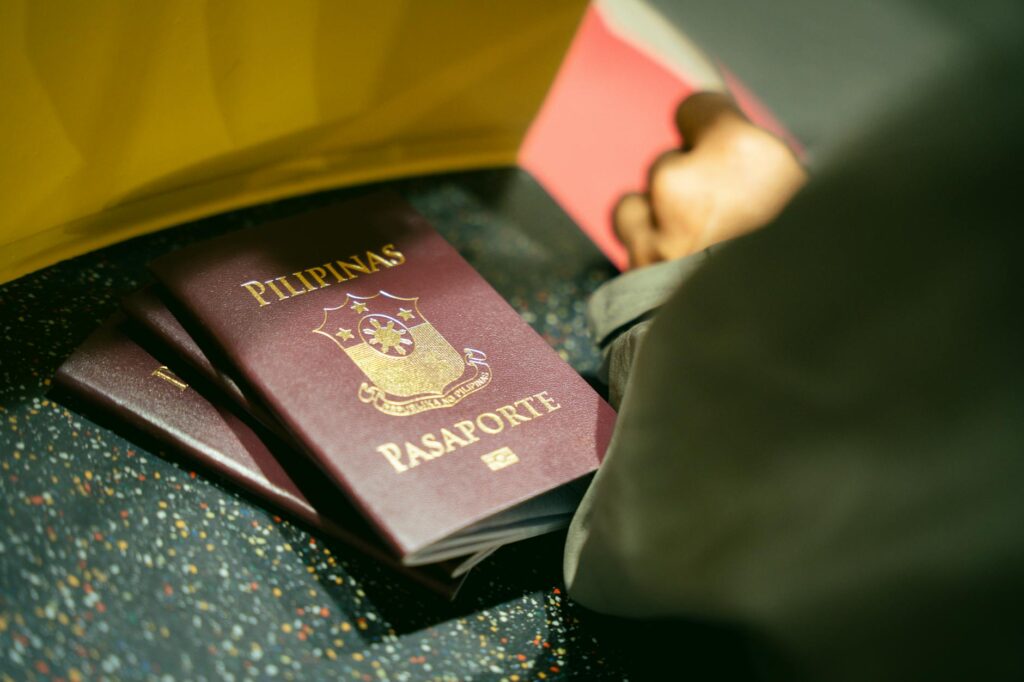
The EES replaces the manual stamping of passports with a fully digital process. From now on, when non-EU citizens enter or exit, not only passport details but also biometric information like fingerprints and facial images will be captured. This data is stored in real-time in a central EU database accessible to all Schengen member states.
"With the launch of EES at Nuremberg and Memmingen airports, we've reached a milestone in protecting Bavaria's EU external borders," Herrmann stated. The system is already operational at all three of Bavaria's major international airports.
The scale is substantial: Nuremberg and Memmingen airports alone handle over three million entry and exit procedures annually. This high volume underscores the practical benefits the new system will offer security agencies.
In concrete terms, identity fraud becomes harder because biometric data is more difficult to forge than passport stamps. The duration of stays in the Schengen Area can be tracked accurately, making overstays immediately detectable. For police and border authorities, this creates a significantly improved data landscape, facilitating cross-border investigations.
Herrmann emphasized that the EES is a key component of what he called the "asylum turnaround." "It ensures that, in addition to strengthened land border controls, air travel will now be monitored more precisely and efficiently," the minister explained. This addresses concerns that the Schengen Area has sometimes been used to illegally extend stays or circumvent asylum rules.
The new system is part of a broader European strategy for more secure external borders, designed to protect not just Bavaria but the entire Schengen zone. Herrmann views it as essential for maintaining Europe as a "space of freedom, security, and justice."
For travelers from non-EU countries, the introduction means allowing a bit more time for border checks due to biometric data collection. However, the process is intended to run smoothly and could even reduce wait times in the long term, as data becomes digitally available and doesn't need to be re-entered each time.
The full implementation of EES across all Schengen states is a multi-year process. With its early adoption at key airports, Bavaria is positioning itself as a pioneer in European border security.