According to its own statements, the German government does not expect a gas shortage in winter preparedness, but considers price spikes in winter possible. This emerges from a response by the German government to a minor interpellation by the AfD parliamentary group, as reported on the website of the German Bundestag.
Accordingly, the filling level of gas storage facilities as of 13 October 2026. This quantity already exceeds the total withdrawal of the previous winter 2025/2026, the German government continues. Pipeline imports currently stand at over two terawatt hours per day, with no reduction in sight. In addition, there are LNG quantities whose use depends on price signals and the temperature trend.
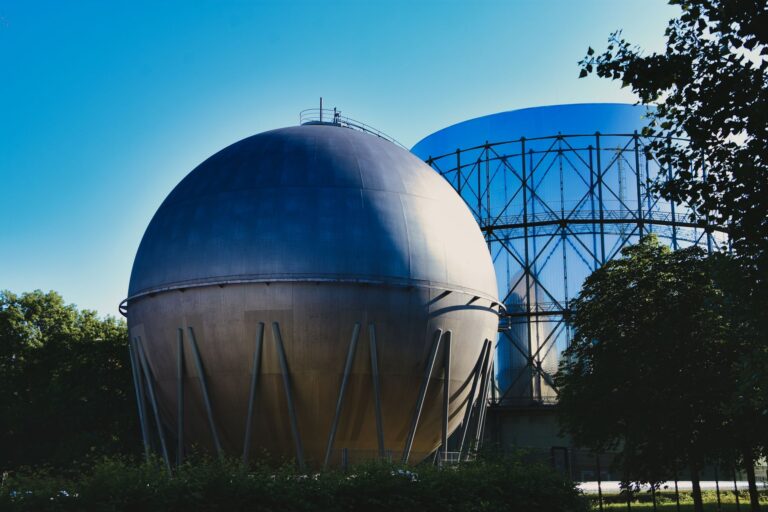
NDR reports that the storage facilities are currently only slightly more than half full. German gas storage facilities can hold a total of around 250 terawatt hours of gas. Should the winter be particularly cold or LNG deliveries fail, gas could become scarce, experts warn according to NDR. However, the Federal Network Agency considers security of supply in Germany to be guaranteed.
At the end of September, Federal Economics Minister Katherina Reiche commissioned the state energy company Sefe to store more natural gas for the winter, NDR writes. Now she is urging all energy companies to store more natural gas. NDR cites two factors as reasons for the low filling levels: even before the previous winter, less natural gas had been stored because requirements for gas storage had been relaxed. In addition, gas has become significantly more expensive since the start of the Iran war; on the European Energy Exchange, prices had almost doubled by autumn.
NDR puts the price trend into context: in August 2022, a kilowatt hour on the exchange briefly cost more than 30 cents, in August 2026 it was just under seven cents. In the meantime, however, prices for consumers are also rising. Almost all LNG deliveries to Germany come from the USA, now more than 90 percent, according to NDR.