As the German Bundestag reports on its official website, a one-hour discussion on strengthening Germany's maritime economy took place on Friday, April 24, 2026. The debate was based on two motions introduced by various factions.
According to the primary source, the coalition factions submitted a motion titled "Strengthening Germany's Maritime Economy – Security, Resilience, and Innovation from the Hinterland through the Coast to the High Seas." In parallel, the Alliance 90/The Greens faction proposed a motion under the heading "Recognizing the Importance of the Maritime Economy for All of Germany – Sustainably Strengthening and Securing the Maritime Economy."
A vote on the motion from the Christian Democratic Union/Christian Social Union (CDU/CSU) and Social Democratic Party (SPD) factions was scheduled immediately after the debate. In contrast, the Green Party faction's motion was to be referred to the lead committee for Economic Affairs and Energy for further deliberation. This procedural approach highlights different parliamentary pathways for the two proposals.
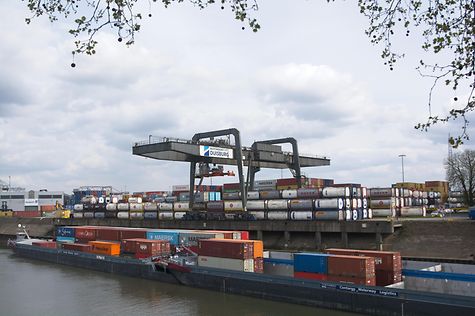
The maritime economy encompasses areas such as shipping, port operations, shipbuilding, and maritime services. It plays a central role in German foreign trade and supply security. The Bundestag debate aimed to strengthen these economic sectors, with the motions setting different priorities.
The coalition factions' motion emphasized aspects like security, resilience, and innovation in the maritime economy. These terms indicate a broad thematic orientation, ranging from infrastructure in the hinterland to activities on the high seas. Resilience refers to the maritime economy's ability to withstand disruptions, while innovation includes technological and economic advancements.
The Green Party faction's motion focused more on sustainability and recognizing the importance of the maritime economy for all of Germany. Sustainability in the maritime context can encompass ecological, social, and economic dimensions, such as environmental protection in shipping or long-term economic strategies.
The parliamentary handling of the motions followed different patterns. The immediate vote on the coalition motion suggests rapid decision-making, possibly due to broad political support. Referring the Green motion to the Committee for Economic Affairs and Energy allows for in-depth expert review and potential adjustments before a later plenary vote.
The Bundestag debate underscores the growing political attention to the maritime economy. In times of global trade interconnections and geopolitical tensions, issues like maritime security and economic resilience are gaining importance. Simultaneously, ecological aspects, as addressed in the Green motion, are increasingly coming into focus.