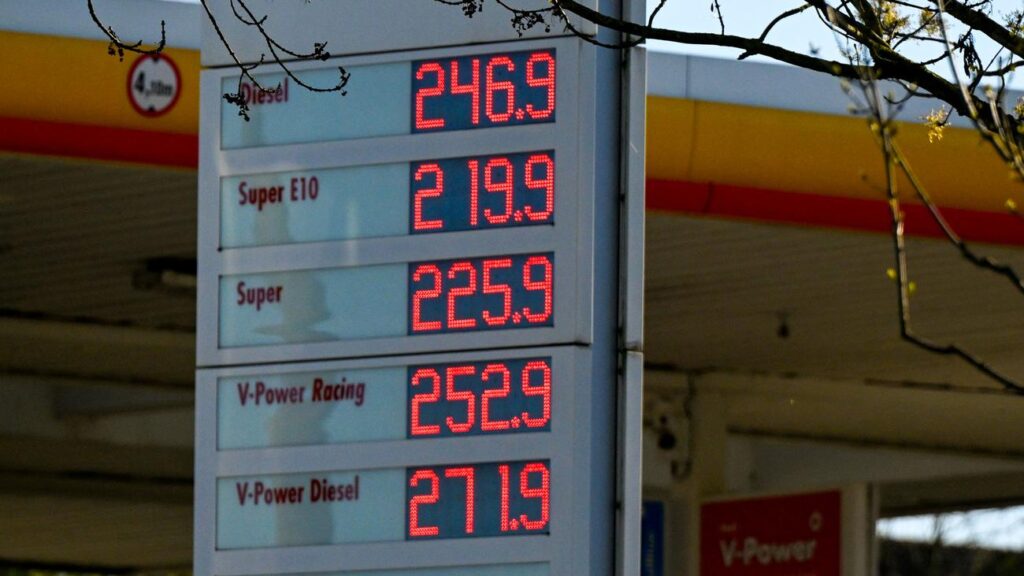
As Die Zeit reports, the economic experts, a panel of specialists, have classified the German government's decision to lower the mineral oil tax as inadequate and ineffective. In a statement, the coalition decision was described as the "worst of all options discussed so far." This criticism comes in a context where fuel prices in Germany remain high, and citizens are suffering from rising costs.
The discussion surrounding the mineral oil tax is not new. In light of the high fuel prices that burden many drivers and businesses, the German government has taken measures to alleviate the financial burden on citizens. The reduction of the mineral oil tax was intended to be part of a broader relief package. However, the economic experts argue that this measure will not achieve the desired effects.
According to experts, while the reduction of the mineral oil tax could lead to a short-term decrease in fuel prices, the long-term impacts on the market and state finances have not been adequately considered. The economic experts warn that such a measure could not only strain the state's budget but also reduce incentives for the use of alternative drive technologies.
Criticism of the reduction in the mineral oil tax is supported by various parties. Other specialists have also expressed skepticism regarding the planned relief measures. Instead, they call for a more comprehensive reform of the energy tax, which should address not only the mineral oil tax but also other aspects of energy pricing policy. This reform could help reduce dependence on fossil fuels and advance the energy transition.
The discussion about the mineral oil tax and the associated relief measures is part of a larger societal and political discourse on the energy transition and the need to find sustainable solutions. Therefore, the economic experts demand a nuanced consideration of the various options to create a sustainable and future-oriented energy policy.
Overall, the criticism from the economic experts indicates that the German government's measures to lower fuel prices are not without controversy. The debate over the mineral oil tax is expected to continue in the coming weeks and months, as citizens hope for tangible relief. The question remains whether the current measures will actually achieve the desired effects or if alternative approaches are necessary to address the challenges in energy pricing.