While concerns about a direct Iranian attack on Ukraine persist, a former top diplomat has called them unfounded. Dmytro Kuleba, Ukraine’s former foreign minister, sees no strategic rationale for Tehran to fire missiles at Ukrainian territory.
“I would be very surprised if Iran actually launched a missile attack on Ukrainian territory, fundamentally,” Kuleba said in an interview. “I simply don’t understand why they would do that.” His assessment is based on a sober cost-benefit analysis from Iran’s perspective.
Iranian missiles theoretically have the range to hit targets in Ukraine—estimates suggest up to 2,500 kilometers. But an attack would yield few tangible benefits for the regime in Tehran. “And if they shoot at Ukraine, well, one missile, two missiles, and then what?” Kuleba asked rhetorically. “What goal are they pursuing with that?”
Instead, Iran must use its limited missile stocks wisely. The weapons are a valuable and expensive resource that the country needs for other, more pressing conflicts from its viewpoint, such as tensions with Israel or supporting allies in the region. A symbolic strike against Ukraine, in Kuleba’s logic, would be a pure waste of these scarce assets with no strategic gain.
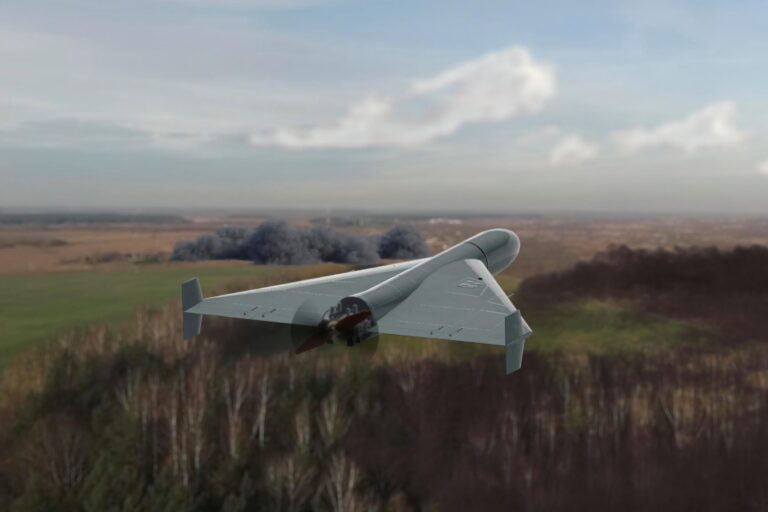
These remarks come at a time when Ukraine is already suffering from massive Russian missile and drone attacks, which often use Iranian technology. Direct Iranian involvement in the war is repeatedly discussed. Kuleba’s analysis debunks this specific fear and refocuses attention on the real threat: the ongoing Russian offensive with Iranian support.
For Ukraine’s defense, the situation remains extremely tense. In other statements, Kuleba recently highlighted the urgent need for additional energy infrastructure after the Russian attacks. Priorities clearly lie in repelling the immediate danger and rebuilding, not on a hypothetical new front.
The assessment of the experienced diplomat offers a reassuring perspective in a geopolitical landscape marked by uncertainty. It underscores that even in a full-scale war, not every theoretical threat becomes a practical one. What matters are the interests and calculations of the actors involved—and according to Kuleba, these currently argue against an Iranian missile deployment in Ukraine.
I would be very surprised if Iran actually launches a missile strike on Ukrainian territory, in principle. I just don't understand why they would need to do that