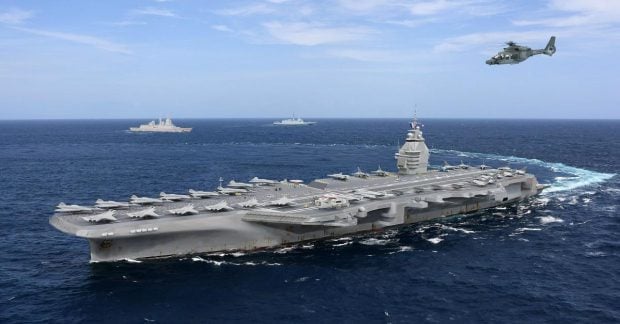
France's next-generation aircraft carrier is set to launch significantly more fighter jets per day than initially planned, thanks to a major upgrade before construction even begins. The vessel, known as PANG (Porte-Avions de Nouvelle Génération), will now feature three electromagnetic catapults—up from the originally intended two—allowing it to handle up to 60 aircraft daily. This effectively doubles its operational capacity, positioning it as the most formidable warship of European design.
The decision, first reported by the French military portal Zone Militaire, fundamentally alters the carrier's combat reach and flexibility. With three catapults, the PANG gains redundancy: even if one system fails, two others remain fully operational, reducing the risk of technical disruptions during critical missions. This enhancement not only makes it the largest but also the most capable carrier in Europe, outpacing current models like France's Charles de Gaulle or the UK's Queen Elizabeth-class, which rely on lower launch rates.
Electromagnetic catapults, or EMALS, offer several advantages over traditional steam systems. They are gentler on aircraft frames, enable more precise launches in varied weather conditions, and consume less energy, translating to lower maintenance demands for the crew between sorties. However, this upgrade comes at a cost. The EMALS technology, originally developed in the United States, is driving project expenses higher, raising questions about whether France's defense budget can sustain the long-term financial burden.
Strategically, the move signals France's renewed commitment to maritime strength and technological independence amid growing geopolitical tensions. By taking a leading role in European naval defense, Paris is bolstering the EU's security architecture as other member states expand their own naval capabilities. The PANG is slated to replace the Charles de Gaulle by 2038 and is expected to remain in service for at least four decades.
Construction on the carrier is set to begin in the coming years, with the French navy refining technical specifications in the interim. One thing is already clear: Europe's next supercarrier will wield unprecedented firepower, marking a significant leap forward in naval aviation and defense readiness.