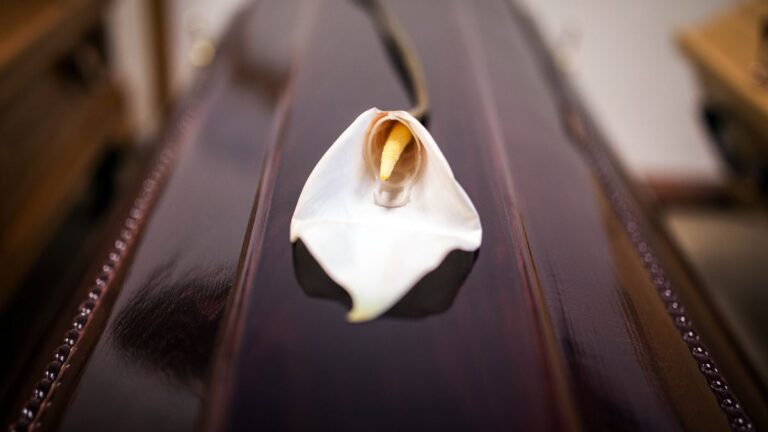
According to North Rhine-Westphalia’s burial law, a body must be transferred to a mortuary within 36 hours at the latest. During extreme heat, it may also be necessary to transfer the body more quickly for health protection reasons, said Stollmann. Based on current knowledge, these were more “solitary problem situations” rather than a widespread phenomenon. However, there is good networking among funeral directors who help each other out.
Whether the heatwave has caused excess mortality cannot yet be substantiated with concrete figures, Stollmann added. Data from the 2026 cause-of-death statistics are expected to be available only by fall 2027 due to reporting channels. The evaluation covers the entire year, not individual months or weeks. Additionally, only the underlying disease is documented in the statistics.
Health Minister Karl-Josef Laumann (CDU) said regarding the days-long extreme heat: “These were extremely challenging situations for the entire healthcare, nursing, and rescue system, especially on Saturday and Sunday.” Without a doubt, there were difficult hours in hospitals and emergency outpatient clinics. However, there was no so-called overarching supply problem anywhere. “There were local supply problems, but they were then resolved locally.”
Source: www.spiegel.de