In Komyshuvakha in Zaporizhzhia Oblast, 29 of the 55 recovered dead have so far been identified. The acting head of the regional military administration, Mykhailo Semikin, announced this on Sunday on Telegram, as Ukrinform reports. According to the report, recovery work continued on Sunday, 8 November, the seventh day after the Russian attack of 2 November. Another 45 people are still considered missing; according to Semikin’s assessment, some of them may be among the dead already recovered.
According to him, the search is being hampered by continued drone attacks. Rescue workers have to interrupt their work at times. “We cannot yet say when the operation will be completed,” Semikin said, according to Ukrinform. The priority is to find everyone, identify the victims and give families answers about the fate of their relatives – at the same time, the lives of the emergency workers must be protected.
Drone hits recovery site, equipment damaged
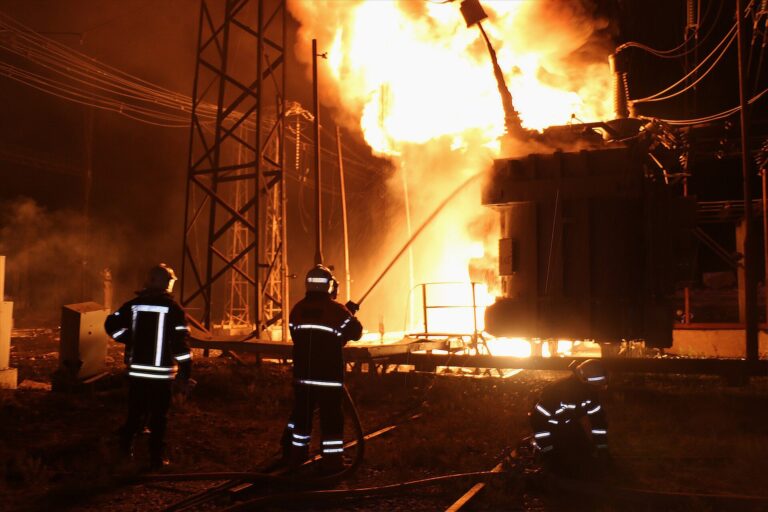
On the morning of 8 November, according to the State Emergency Service (DSNS), a Russian drone attacked the recovery site. According to the authority’s statement on Facebook, no one was injured, but special equipment was damaged; the news agency AP and the outlet NV report this consistently. President Volodymyr Zelensky condemned the attack on Telegram: “This morning, the Russians attacked Komyshuvakha with an FPV drone, where rescue operations have been under way for the seventh day after a glide bomb attack that killed 55 people, and unfortunately people may still be under the rubble. Absolute cynicism and cruelty,” NV quotes the president as saying.
On 7 November, the regional military administration had already reported 55 dead; according to NV, more than 30 people may still be trapped under the rubble. The difficulty of identification is shown by the authorities’ note that some recovered bodies are so badly damaged that DNA samples from relatives are needed – the Kyiv Independent reported this, citing a spokesperson for the oblast administration, Oleksandr Kovalenko. According to the report, rescue teams can work for only 15 to 20 minutes at a time before drones and the threat of glide bombs being dropped force them to withdraw.
A FAB-3000 on the shelter
The attack of 2 November hit an underground school housing an “invincibility point”, a shelter and a humanitarian aid distribution point. According to the military intelligence service HUR, Russian aircraft first dropped two glide bombs on the “Dzherelo” gymnasium, destroying the sports hall and outbuildings, and an hour later hit the underground rooms with a FAB-3000. The bomb contains more than 1,000 kilograms of explosives, the Kyiv Independent reports. According to HUR, around 100 people were at the site.
According to its own account, the intelligence service identified the officer who is said to have planned the attack: Colonel Fedor Subakov, head of the fire strike group in the staff of the Russian army group “Dnepr”. HUR also named six pilots, including Captain Sergey Yeliseyev, Captain Dmitry Svereva, Senior Lieutenant Rodion Plotnikov, Senior Lieutenant Nikita Ignatyev, Senior Lieutenant Maxim Sokolenko and Lieutenant Vadim Perekhrest; the crew of a seventh aircraft is still being identified. According to HUR, four Su-34 fighter-bombers were involved. The information comes from the HUR statement of 7 November, reported by the Kyiv Independent and the outlet liga.net.
According to NV, the dead also include two rescue workers and four police officers. On Saturday, 7 November, according to AP reports, several victims were buried in Zaporizhzhia, including the police officers Dmytro Besedyn, Mykhailo Buschenko, Mykola Balanda and Mykhailo Romanov, as well as Serhii Bereshko and Oleh Dubetskyi, who were killed in an FPV drone attack in Komyshuvakha.
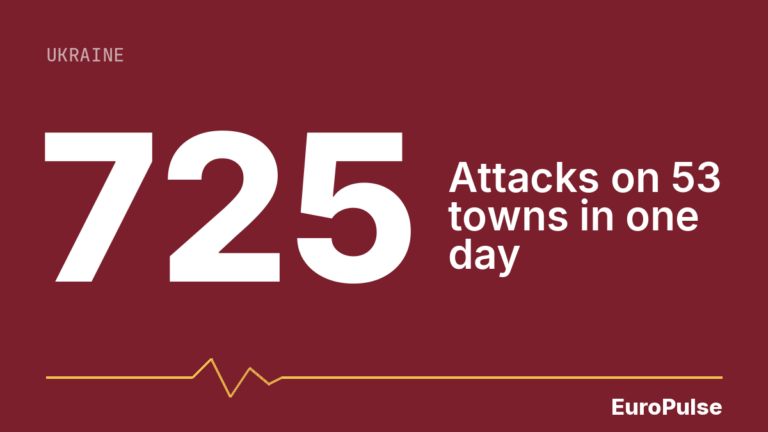
Komyshuvakha lies directly on the front line: according to the Kyiv Independent, places five to 15 kilometres from Russian positions are almost constantly exposed to drone, artillery and glide bomb attacks. On 6 November alone, the authorities reported 785 attacks on 51 settlements in Zaporizhzhia Oblast. According to the administration spokesperson Kovalenko, the underground shelter was the only reasonably safe place in the village – how humanitarian aid will reach the remaining residents in future is unclear.
Editor’s note: The search for missing persons and the identification of the dead are ongoing; the number of victims may rise further.
Earlier coverage: Death toll in Komyshuvakha rises to 55