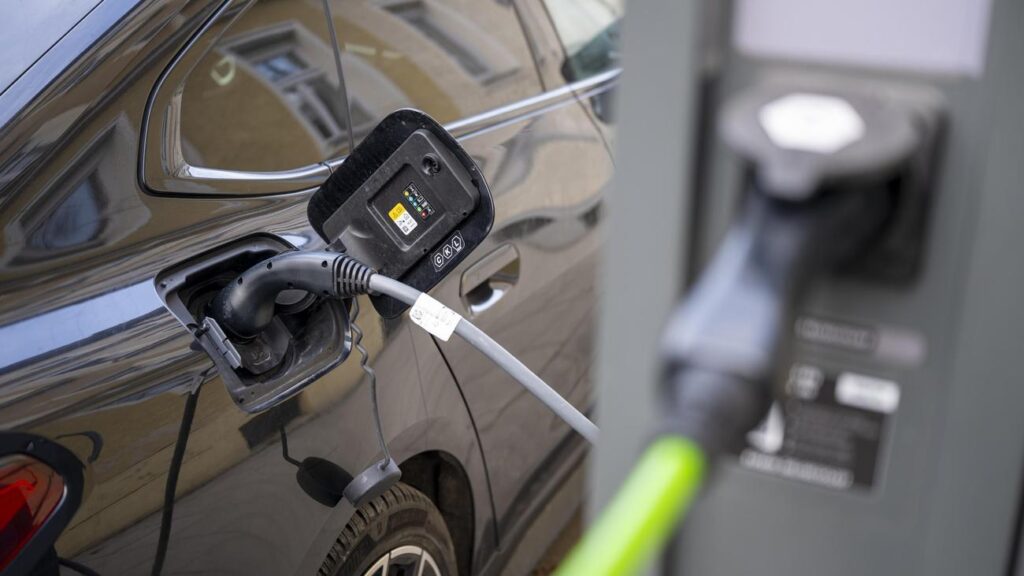
As Die Zeit reports, the global number of electric cars has reached a new high. Accordingly, more than 74 million vehicles with electric drive are now on the roads. The increase is the strongest ever recorded.
According to Die Zeit, electromobility is experiencing a record increase. The exact figures are based on current surveys that show a significant boost for e-mobility. Worldwide, demand for electric cars is rising continuously, driven by stricter environmental regulations, government subsidy programs, and a growing range of affordable models.
One country dominates the market particularly strongly. As Die Zeit further reports, six out of ten electric cars are accounted for by a single country. Thus, the majority of the global electric car fleet is concentrated in one nation that plays a pioneering role in the expansion of e-mobility. Experts attribute this to massive subsidies, a well-developed charging infrastructure, and a strong domestic automotive industry.
The record increase in electric vehicles is also evident in other countries. In Europe, North America, and Asia, registration numbers are also rising, albeit at a lower level. Die Zeit cites various sources that confirm the trend. For example, Deutschlandfunk reports a worldwide record increase in electric vehicles, while Der Spiegel speaks of almost 80 million electric cars on the roads. The slight discrepancy in the figures is explained by different survey periods and methods.
The development also has an impact on the electricity market and raw material supply. The increasing demand for batteries is leading to higher demand for lithium, cobalt, and other raw materials. At the same time, pressure on power grids is growing, as they must be prepared for the additional loads from charging the vehicles.
In Germany itself, electromobility is also on the rise, albeit more slowly than in some other countries. The federal government has set ambitious goals to significantly increase the number of electric cars by 2030. These include purchase premiums, expansion of charging infrastructure, and tax incentives.
Die Zeit points out that the trend toward e-mobility is unbroken. However, with the increasing number of electric cars, challenges are also growing, such as the disposal of old batteries and ensuring environmentally friendly electricity generation. Nevertheless, experts see electromobility as a central component for the transportation transition and climate protection.
Overall, Die Zeit's report shows that electromobility is gaining momentum worldwide. The milestone of 74 million vehicles underscores the rapid development of recent years. Whether the growth rate can be maintained depends on political decisions, technological advances, and public acceptance.