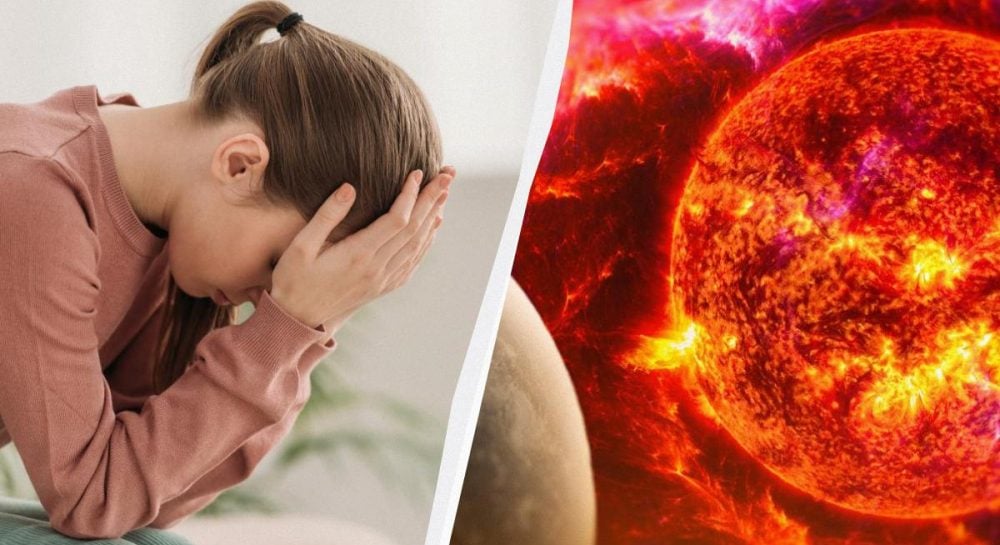
The Earth is entering a multi-day period of geomagnetic unrest. Triggered by several solar flares, a series of magnetic storms will hit our planet starting today, March 19, and last at least until March 21. The British Geological Survey warns of the ongoing impacts. Multiple coronal mass ejections (CMEs) – clouds of charged solar plasma – are en route to Earth. They result from a series of M-class solar flares that occurred on the Sun's surface in recent days. The expected storms are forecast to reach a Kp-index of up to 5, corresponding to a moderate G1-category geomagnetic storm. While not exceptionally strong, such events can still have noticeable effects. For most people, the impacts remain invisible, but technical systems are at risk. Weak power grids at high latitudes may experience voltage fluctuations. Satellite navigation (GPS) could be temporarily less precise, and radio communication in polar regions might be disrupted. Spacecraft face an increased risk from charged particles.
Additionally, health portals like Meteoagent report that sensitive individuals should expect discomfort on the affected days. This can include headaches, fatigue, dizziness, or sleep disturbances. While the scientific evidence for a direct causal link is debated, many people report subjective impairments during such geomagnetic activity.
The current phase of increased solar activity is part of the rising 11-year cycle of our sun. Experts anticipate that such events will become more frequent and potentially stronger in the coming years. Therefore, the observation and prediction of space weather conditions are gaining increasing importance for our technological society.
For the next few days, experts advise factoring in potential disruptions for planned activities that rely on precise location or stable communication. People who have felt unwell during magnetic storms in the past should ensure adequate sleep and a balanced fluid intake.
Solar activity is continuously monitored by observatories such as NOAA's Space Weather Prediction Center and the European Space Agency ESA. Current forecasts and warnings are freely accessible to the public and help prepare for the invisible storms from space.