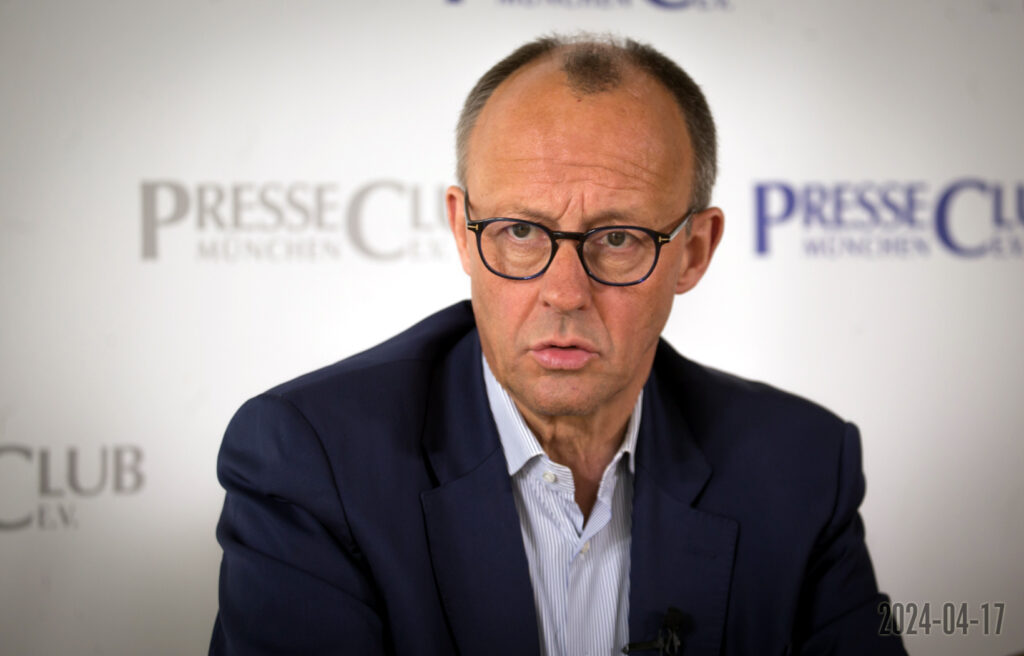
As WELT reports, critical voices in the CDU regarding party leader Friedrich Merz's pension ideas are increasing. After several state associations and members of parliament had already expressed reservations, another high-ranking Christian Democrat is now distancing himself. According to reports, the politician, who was not named, expressed skepticism about Merz's proposal for a so-called basic security in the statutory pension insurance.
Merz had previously stated in a debate on the future of old-age security that he considered a basic pension for all citizens, which would have to be financed from tax revenues, to be conceivable. This met with resistance in parts of his own party. Critics fear a departure from the proven pay-as-you-go system and an excessive burden on the federal budget.
The latest initiative comes from the ranks of the CDU's social wing. The politician, who is attributed to the left wing of the party, warned against changing the pension insurance too much. The acceptance among the population must be maintained, it was said. In particular, older voters, who traditionally belong to the Union's core clientele, should not be unsettled.
At the same time, CDU social expert and Bundestag member Weltschulze has joined the debate. According to tagesschau, Weltschulze is calling for special consideration for the eastern German states in the upcoming pension reform. The living conditions and lower average incomes there must be taken into account to avoid a division of society. Weltschulze advocated for a regional balance that would prevent East Germans from being disadvantaged in their pensions.
The discussion on pension policy is also accompanied by external experts. Handelsblatt reports, citing experts, that a pension proposal put forward by the SPD could particularly disadvantage academics. The experts see the risk that high earners would be disproportionately burdened by higher contributions or lower benefits, while the statutory pension for low earners would be increased. This could lead to further polarization in society.
The tabloid press has also taken up the debate. BILD headlines: "Is it just me? The pension truth is brutally simple" and raises the question of the financial sustainability of the system. The article refers to demographic developments and the increasing number of pensioners compared to contributors.
Friedrich Merz himself had previously made clear in Spiegel that he categorically rules out pension cuts. He wants to keep the pension level stable and secure financing through higher tax subsidies. However, this position is meeting increasing opposition within the CDU, as many members of parliament reject an expansion of state spending.
The internal party criticism shows that the CDU is deeply divided on the pension issue. While the left