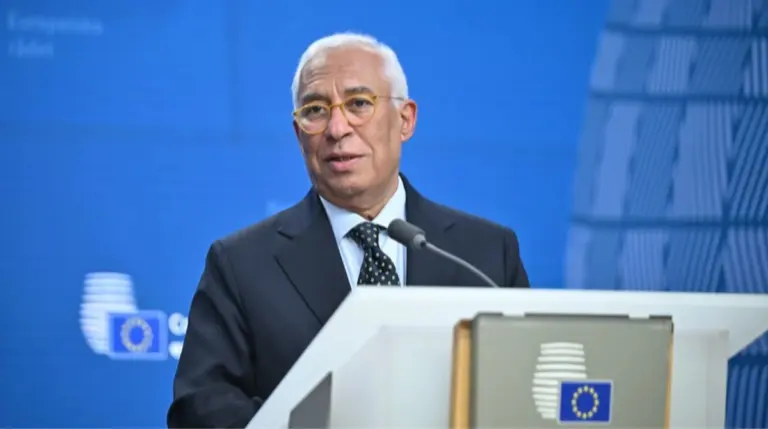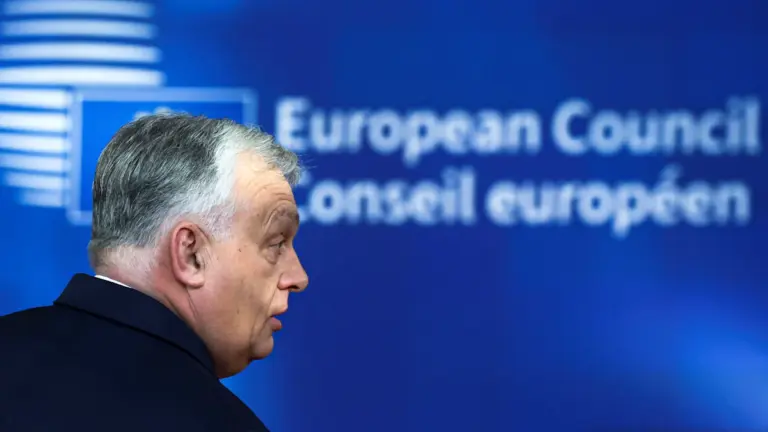
The principle of unanimity in the European Union (EU) is often criticized as a design flaw, particularly by figures like Viktor Orbán, who has repeatedly exploited his veto rights. Nevertheless, there are compelling arguments for maintaining this principle. According to Süddeutsche Zeitung, it is important not to alter the Union’s fundamental structure simply because it is perceived as inefficient in certain situations.
A central point is that unanimity gives member states a voice, thereby respecting the sovereignty of individual countries. This fosters cohesion and solidarity within the Union. An example of this is the common foreign policy, which can only be achieved through consensus. The President of the European Commission has emphasized that the diversity of opinions and interests within the Union is a strength.
The background is that the EU operates in an increasingly complex and challenging world. Calls for reform often arise when the Union faces global crises. However, instead of reforming the established system, the EU should learn to work more effectively within the existing structures. This could be achieved through better communication strategies and increased transparency.
The discussion surrounding the principle of unanimity is not new, but it is gaining urgency as the EU must adapt to new challenges. Eroding unanimity could weaken the Union, as important decisions might then be made without the consent of all member states.