As Ukrinform reports, citing the British Foreign Office, the measures target 38 legal entities and natural persons as well as Russia's shadow fleet of oil tankers. Among those affected are the oil companies Zarubezhneft and INK Capital. According to the Foreign Office, Britain is thus the first G7 country to have imposed sanctions on the four largest Russian oil companies. The British penalties now cover more than 90 per cent of Russian oil production capacity, the statement says.
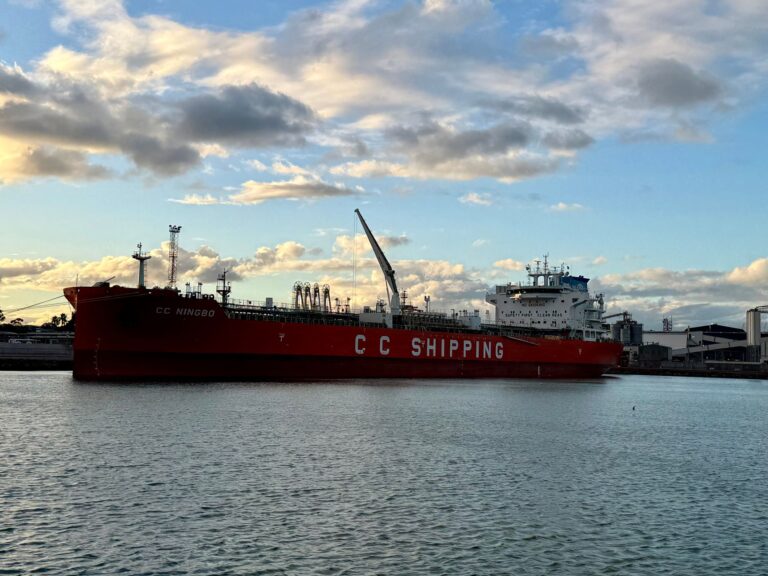
Twelve more oil tankers were added to the sanctions list. According to the ministry, more than 600 ships of the Russian shadow fleet are now subject to British sanctions. These ships are used to circumvent sanctions and transport Russian oil, including through deceptive practices and falsified flags. The new measures target not only ships already at sea but also the supply chain through which Russian oil is transported worldwide.
In addition, 17 more legal entities and natural persons were sanctioned who supply Russia with so-called Common High Priority Goods. These include machine tools, electronics and materials needed for the production of ballistic missiles, drones and other military equipment. According to the British Foreign Office, Russia obtains some of these goods via third countries. Those involved are being identified and appropriate measures taken against them, it said.
London also imposed sanctions on three crypto exchanges, two payment platforms and one associated person suspected of helping Russia circumvent financial restrictions. Two of these entities processed transactions via the A7 financial network, which is supported by the Kremlin, according to the ministry. Last year, it says, more than 90 billion US dollars in transfers were processed through it.
“The message is simple: if you help Russia finance or equip this war, you will face the consequences,” Ukrinform quotes the British Foreign Office as saying. Sanctioning these companies not only curbs the flow of Russian oil money but also cuts off the circumvention routes of the sanctions regime by making it harder for large Russian oil companies to relabel their oil under the name of a non-sanctioned entity.
What does this mean for the shadow fleet?
The shadow fleet is not an official association but a large, illegal group of ageing and poorly maintained tankers. According to the newspaper, about 17 per cent of all oil tankers worldwide belong to it. Russia uses them to circumvent sanctions and transport oil or oil products. According to estimates, the country earns around ten billion euros a month from this for its war of aggression against Ukraine. About half of Russian oil exports run via the Baltic Sea, with around 1,000 ships per year. The ships mainly depart from the ports of Primorsk and Ust-Luga and must pass through the Øresund and the Belt to reach the world’s oceans via the Atlantic.
To conceal their true origin, many sail under a false flag, insurance is lacking, and ownership structures are often unclear. Ships can repeatedly change owners and flag states. In some cases they switch off their automatic ship identification system AIS, although its use is mandatory under international law. The tankers often pump their cargo to other ships at sea – a risky manoeuvre that makes tracing more difficult and endangers the environment.
The EU has responded to the Russian war of aggression with several sanctions packages. Since the 6th sanctions package of June 2022, 90 per cent of Russian crude oil and products derived from it may no longer be imported into the EU. Together with the G7 partners, price caps were introduced: Russia may sell its oil to third countries only at a fixed maximum price. Transport, financing, insurance or technical assistance for deliveries above the price cap are prohibited for EU companies.
How else is the West responding?
Britain had already announced a comprehensive sanctions package on 1 October, intended to weaken the Kremlin’s war budget, combat propaganda and hold those responsible for torture of Ukrainian civilians and the deportation of children to account. Back in June, British forces had intercepted the sanctioned tanker Smyrtos in the English Channel, which is said to belong to the Russian shadow fleet. Royal Navy commandos boarded the ship, which was travelling under the Cameroonian flag from the Russian Baltic port of Ust-Luga to Port Said in Egypt. According to the Ministry of Defence, it was the first British-led operation of this kind, carried out in close coordination with French authorities.
Ukrainian President Volodymyr Zelenskyy thanked British Prime Minister Keir Starmer and the British people for their principled determination. “It was Russia’s hubris, fuelled by high oil and gas revenues, that made this war possible, and every decision by partners that deprives Russia of money also limits the war itself,” Zelenskyy wrote on X. Europe urgently needs legal steps to enable not only the detention of tankers and restrictions on oil supplies but also the confiscation of the cargo being transported.
At the G7 summit in the French town of Evian in June, the heads of state and government had agreed on additional sanctions in the energy sector. US President Donald Trump called on Russia’s President Vladimir Putin to negotiate: “Russia should make a deal,” Trump said. He wanted to reinstate suspended sanctions on Russian oil exports. At the time, Britain announced 70 new measures, including against 20 more shadow tankers. Canada sanctioned more than 160 actors linked to the shadow fleet.
The EU states agreed on their 21st sanctions package in July. It provides for further measures against the Russian financial and energy sector as well as an entry ban for Russian soldiers. To limit Russia’s oil revenues, the automatic adjustment of the oil price cap is to be suspended for twelve months. It would actually have to be raised because of rising world market prices following the Iran war and the blockade of the Strait of Hormuz, which would bring Russia more money. An import ban on Alaska pollock and cod from Russia did not come about, and Patriarch Kirill was also not sanctioned for the time being.
For consumers in Germany, the discussion about fish sanctions had concrete significance: according to experts, the world’s largest fish finger factories are located in the Federal Republic. Halving imports of Alaska pollock within two years would have resulted in production restrictions and higher prices for frozen fish products. Germany, Portugal and France had pushed for softening in the negotiations.
The new British sanctions are part of a broader strategy with which Western states are increasing pressure on Russia’s oil economy. Whether they will sustainably reduce the Kremlin’s revenues also depends on how consistently the measures are implemented. The shadow fleet has so far proved adaptable – one reason why experts are calling for further steps.