The US wants to impose a 15 per cent tariff on all goods from the EU, with exemptions for certain products. Trade Representative Jamieson Greer set out the proposal on Wednesday. It is the latest version of a dispute the Supreme Court reshuffled in February, when it ruled Donald Trump’s sweeping emergency tariffs unlawful; Washington has been looking for another legal basis ever since.
This time the basis is Section 301 of the Trade Act of 1974. After an eight-month investigation, the US Trade Representative’s office (USTR) found that the practices of 14 economies create “structural excess capacity” and burden US commerce. For the EU, its report cites industrial plans to maintain manufacturing and preferential lending through centralised investment banks. Mexico and Norway are not covered; their investigations continue.
What exactly is on the table?
The 15 per cent is “net of MFN rates and existing Section 301 tariffs”, meaning the ordinary duty is counted against it. Our reading is that the EU would end up at roughly 15 per cent overall, the ceiling in the 2025 framework deal. USTR says the proposal “accounts for” that agreement but does not use the word “ceiling”. At present, according to dpa-AFX, most EU goods face 10 per cent, cars 15 and trucks 25.
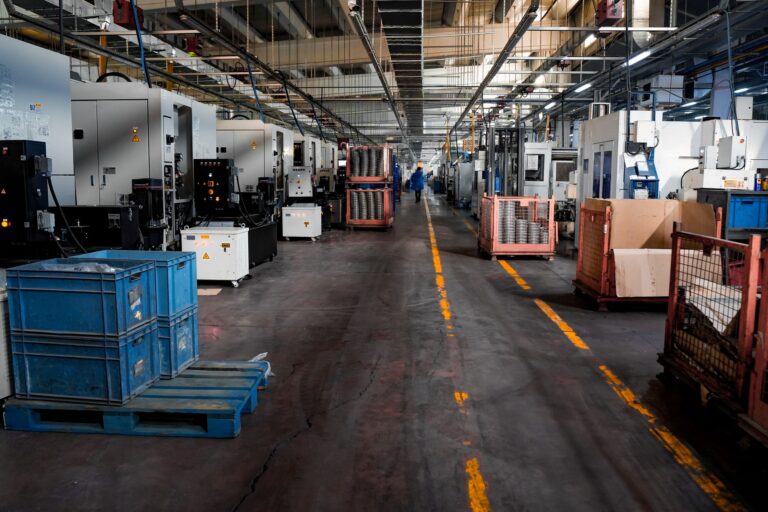
A senior US official said energy, certain semiconductors, pharmaceuticals and foods not grown in the US would be exempt, and named machinery and cars as the main concerns. The exact lists sit in annexes we have not been able to check.
For comparison, the proposal sets up to 15 per cent for Japan, South Korea, Switzerland and Taiwan, up to 20 for China, up to 25 for India and up to 35 for Vietnam. The US report backs its case with figures: manufacturing is above 16 per cent of EU output against no more than 10 per cent in the US, and 18 EU states ran a goods surplus with the US in 2025, ten of them above $5bn.
When would it bite?
January at the earliest, a US official said. Comments and requests to appear are due by 5 January 2027, and hearings start on 25 January. A ZDFheute breaking-news item citing AFP spoke of “a month” until the duties take effect, which hardly fits that calendar. We treat the January timetable as the reliable one.
In between comes the G20 summit in Miami in December, where the official said Washington hopes for more trade deals. At home, Trump is under pressure: a Reuters/Ipsos poll after the midterms found 62 per cent would support repealing the tariffs.
Who objects, and why?
Commission spokesman Olof Gill rejected the premise that Europe is a source of structural overcapacity and said the findings would be studied. Bernd Lange, the SPD MEP who chairs the Parliament’s trade committee, called the accusations “absurd”. The chemicals association VCI called the reasoning nonsensical; its chief executive Wolfgang Große Entrup said anyone building new trade barriers now would “worsen the crisis rather than solve it”. BGA president Dirk Jandura said the justification was not convincing.
Our assessment, with moderate confidence: for the EU this looks more like a legal repackaging than an escalation. It largely recreates the 2025 framework on a new legal footing that may be harder to overturn in court. The danger lies in the exemption lists: if Washington narrows them for machinery or car parts, German industry would feel it first. Consumers in Germany are unlikely to notice anything before spring; exporters face continued uncertainty.
Sources: USTR, ZDFheute, Al Jazeera, RTÉ, dpa-AFX