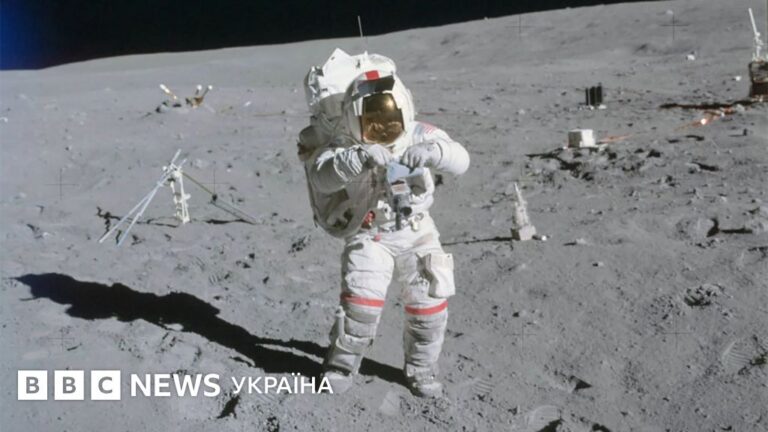
Weightlessness in space leads to structural and functional changes in the brain, according to a new meta-analysis published in Frontiers in Psychology and exclusively reported by the BBC. Researchers at Birkbeck College, University of London, evaluated 15 imaging studies involving around 377 participants, including astronauts and subjects in ground-based simulations.
“We identified a group of brain regions that change when gravity is absent,” said study lead Elisa Raffaella Ferrè, professor of cognitive neuroscience at Birkbeck College. The affected areas are responsible for movement, balance, and perception of body position. The operculum, a region that integrates different sensory inputs, also adapts.
The brain’s adaptation to weightlessness is an example of neuroplasticity. However, it could become problematic for missions beyond the Moon, as the brain is evolutionarily designed to constantly perceive Earth’s gravity. “Gravity is the first signal a fetus receives during development,” Ferrè explained. “Our brain is literally shaped based on gravitational perception.”
Source: www.bbc.com