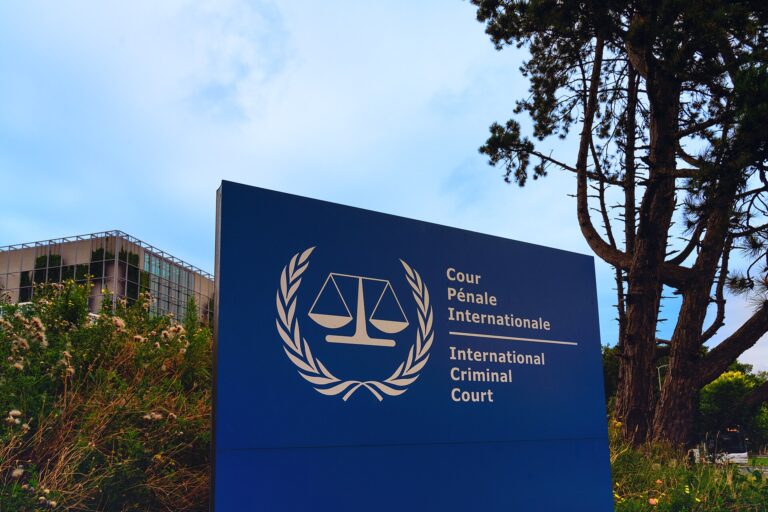
Washington has now targeted the International Criminal Court itself, not just individual officials. Secretary of State Marco Rubio announced a ban on transactions with what he called a “rogue court”. ZDFheute, citing AFP, reports that the court’s assets are to be frozen. The Reuters account is more cautious and does not make clear whether the ICC has been formally listed. The US Treasury issued four general licences at the same time, covering telecommunications, software, pension payments and transactions linked to people held by the court. Status: 9 October, 7 pm Berlin time.
The timing is striking. The same day, South African jurist Navi Pillay won the Nobel Peace Prize. Aged 85, she sat on the ICC’s Appeals Chamber from 2003 to 2008 and later served as UN High Commissioner for Human Rights. The Nobel committee honoured her work for peace and international law. German Justice Minister Stefanie Hubig (SPD) called it a “bitter irony” and “a dark day” for international law, as quoted by ZDF.
The step up is new; the direction is not. An executive order signed by President Donald Trump in February 2025 first led to sanctions on judges and prosecutors. On 18 August, OFAC listed ICC President Tomoko Akane of Japan and Senegalese trial lawyer Abdoulaye Seye. Rubio said, according to Reuters, that the administration had held back to give the court and its member states time to address US concerns, and that this had failed: “Either the ICC will end its threats, or we will end the ICC.” The roots of the dispute are the arrest warrants for Israeli leaders, including Prime Minister Benjamin Netanyahu.
What it means for the Ukraine cases
The ICC has investigated war crimes in Ukraine since March 2022 and has issued warrants for six senior Russian officials, including Vladimir Putin over the deportation of Ukrainian children. Ukraine itself has been a state party since early 2025. When the first sanctions were imposed, Euronews reported, citing EU voices, that investigators’ travel and access to funds could become harder. Deputy Prosecutor Nazhat Shameem Khan said now: “Our work will continue across all our situations, our investigations and our prosecutions.” The court has been preparing, moving computers from Microsoft software to open-source alternatives and rebuilding banking and insurance arrangements.
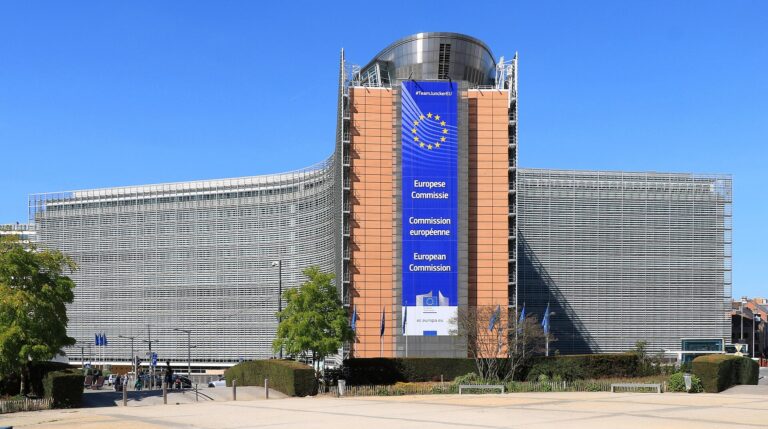
The European Commission called the US decision “deeply regrettable” and promised “all necessary measures” to keep the court working. The ICC described the move as an “attack on the rule of law” while still hoping for “room for dialogue”. No concrete Commission steps are known yet.
Three ways this could go
First, the EU could activate its blocking statute, which bars European companies from complying with certain US sanctions. Slovenia and Spain pressed the Commission to do so in August. It would send a clear signal but put banks in a legal squeeze between Brussels and Washington; whether it helps in practice is open.
Second, the court keeps working at a reduced pace. Technology, payments and insurance run through workarounds, proceedings slow but do not stop. The general licences suggest Washington does not intend to shut the court down overnight.
Third, further escalation. According to Reuters, firms supplying the court with financial, insurance or IT services could be affected, and Rubio wants member states to “rein in” the court. If secondary sanctions reach European contractors, the picture changes sharply.
Our assessment: the second scenario looks most likely, accompanied politically by the first, with Brussels relying for now on statements and technical help. How resilient the court proves will become clear in the coming weeks; nothing here is certain. For Ukrainians, the question is whether cases on deportations and war crimes stay workable for the long term.
Sources: ZDFheute/AFP, OFAC (US Treasury), Outlook India/Reuters, Euronews, ORF