The United States has ordered non-emergency embassy staff and their families to leave Saudi Arabia, after almost daily missile and drone attacks by Yemen’s Houthis on Saudi airports and oil sites. Status: Thursday 22 October, morning.
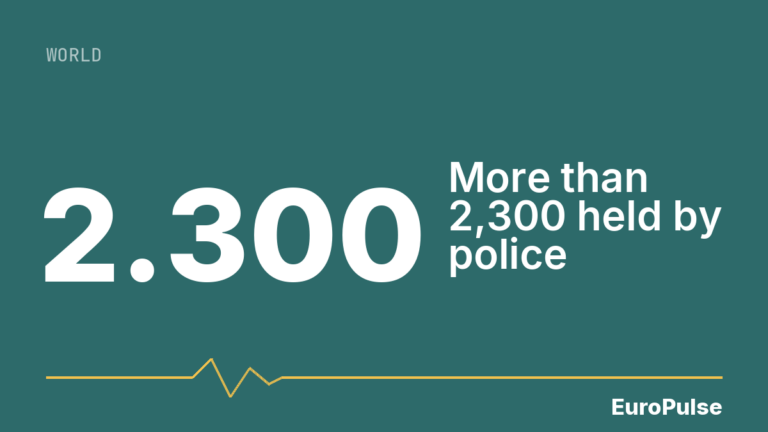
On Wednesday evening King Fahd International Airport in Dammam, the main airport of the oil-rich Eastern Province, was hit. Saudi civil aviation authorities report two dead – a Saudi national and an Indian resident – and eight injured; the German daily taz, citing officials, reports one death, so the figures differ. Operations were briefly halted and then returned to normal. Earlier the Energy Ministry said a drone aimed at Aramco’s Shaybah facility had been intercepted, yet two people died in that incident.
An escalation that began this month
The worst strike hit Riyadh’s airport on 10 October: at least 12 people were killed and more than 300 injured, according to the aviation authority (taz says 13). The airport has been closed to civilian traffic since. Germany’s Foreign Office has warned against travel to Saudi Arabia since 19 October, listing Riyadh, Dammam, Abha, Jazan and Najran as attacked airports. Lufthansa and other airlines have suspended flights to Riyadh, and the tour operator Dertour cancelled trips until the end of October.
State Department spokesman Tommy Pigott wrote on X that the Houthis had “increasingly engaged in hostilities against Saudi Arabia”, including strikes on civilian airports causing deaths and “severe travel disruptions”. He said the order covers Saudi Arabia only and called reports of a Gulf-wide order “inaccurate”. Four US officials nonetheless told Reuters that other Gulf missions would also send families home; AFP names the UAE, Jordan, Qatar and Bahrain. That contradiction is unresolved.
The effects are already visible: the Saudi leadership cancelled next week’s Future Investment Initiative conference. Emmanuel Macron made an unannounced trip to Riyadh and, according to the Élysée, agreed with Crown Prince Mohammed bin Salman to extend additional diesel deliveries. Oil rose after the Dammam strike; The National puts Brent above $110 a barrel, a figure we have from one source so far.
Why the Houthi front matters now
The conflict is part of the Iran war, which according to The National began in late February with a US-Israeli attack. There are no substantive talks: Washington wants a nuclear deal and bets on its blockade, while Tehran demands economic relief and an end to the war first and will hand over “not one particle” of enriched uranium, as Handelsblatt reports Tehran’s line. Ali Vaez of the International Crisis Group wrote in TIME that force can “alter the balance of pain without resolving the disputes”. TIME reports that Trump has said he will not strike Iran before the US midterms on 3 November.
Our assessment, with caution: as long as that pledge holds, Tehran is likely to press Washington’s key Gulf partner through the Houthis rather than act directly. The danger is less any single strike than airports, oil facilities and desalination plants becoming permanent targets. For Europe that means mainly higher energy prices and fragile supply chains.
For travellers from Germany: a travel warning is not a ban, but lawyers treat it as a strong sign of extraordinary circumstances. Package tours can usually be cancelled free of charge; for flights booked directly, only an airline cancellation or goodwill helps. Anyone already in the country is advised to register on Germany’s Elefand crisis list. Whether the Hajj in May 2027 is affected is open; experts advise against cancelling prematurely.
Sources: German Foreign Office, The National, Al Jazeera, taz, TIME