The National Bank of Ukraine has raised its key policy rate for the third time in a row, by 0.5 percentage points to 16.5 per cent, effective 30 October. At the same time it sharply downgraded its outlook: it now expects the economy to shrink by 0.4 per cent in 2026, against growth of 1.8 per cent forecast in July, and year-end inflation of 12.5 per cent instead of 10 per cent.
The tightening began in summer, after a cut to 15 per cent early in the year: 15.5 per cent on 30 July, 16 per cent on 17 September, and now 16.5 per cent. Consumer inflation reached 10 per cent year on year in September, with core inflation at 8.8 per cent, and the central bank says October continued the trend.
Why the central bank is tightening
The bank cites several mutually reinforcing factors. Fuel has become more expensive because of the war in the Middle East. Russian strikes increasingly hit warehouses and logistics, raising transport and trade costs. Exports are falling, partly because of the blockade of sea routes, which puts pressure on the hryvnia. By the NBU’s estimate, attacks and the blockade cost this year’s GDP growth 1.9 percentage points. Governor Andriy Pyshnyi said air attacks alone would add about 0.7 points to annual inflation. Ekonomichna Pravda also points to delayed reforms that held up international financial aid.
Pyshnyi called the hike a “balanced decision” that weighs inflation control against support for the economy. The aim is to keep hryvnia assets attractive and the currency market stable. There are early signs it is working: large banks have begun raising hryvnia deposit rates, smaller ones moved first. Yet net hryvnia lending in September grew by more than 32 per cent year on year for businesses and more than 38 per cent for households, so demand for credit has barely cooled despite high rates.
A 14-point gap to the euro area
The European Central Bank left its deposit rate unchanged at 2.50 per cent the same day, citing uncertainty over higher energy prices. The gap between Kyiv and Frankfurt is 14 percentage points, and it reflects very different problems: a pause after the fight against inflation in the euro area, versus price pressure generated by the war itself, which interest rates can only partly offset.
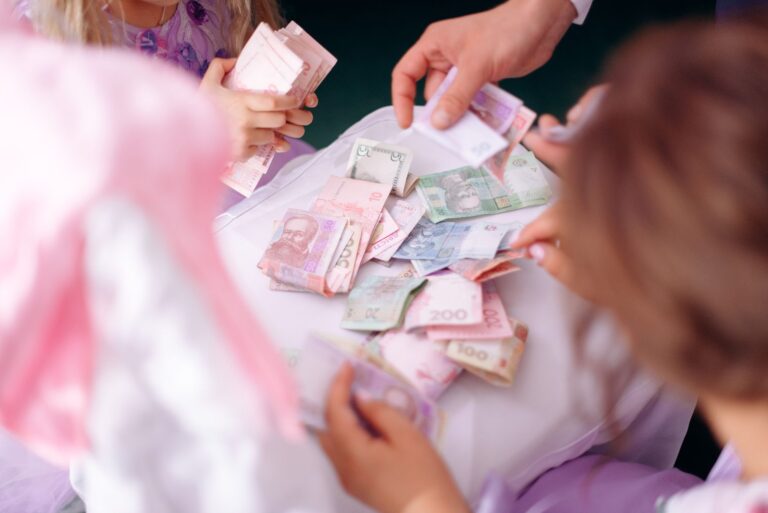
For Ukrainians in Germany, two consequences are practical. Those holding savings or remittances in hryvnia may eventually see higher deposit rates; when and by how much is up to each bank, and existing contracts do not change automatically. And anyone supporting relatives should expect prices, above all for fuel and food, to keep rising.
What next? The NBU’s forecast assumes the rate stays at 16.5 per cent until the second quarter of 2027, though it reserves the right to adjust if risks shift. For 2027 it expects growth of 0.4 per cent (previously 2.8) and inflation of 7.3 per cent; the 5 per cent target is to be reached in 2028, with 2.2 per cent growth. That recovery rests on logistics improving in mid-2027, an assumption the NBU itself calls technical. Our reading: the forecast stands or falls with the security situation. If strikes on infrastructure stay this intense, further downgrades look likelier than an early rate cut, though that is far from certain. Minutes of the meeting are due on 9 November; the next rate decision is on 17 December.
Sources: National Bank of Ukraine, Interfax-Ukraine, Ekonomichna Pravda, Kyiv Post, UNN