Single parents whose ex-partner pays no child maintenance can claim Unterhaltsvorschuss, a state advance on that maintenance. Family Minister Karin Prien (CDU) wants to end it for 16- and 17-year-olds from 2027, and on Friday Deutschlandfunk reported she now wants to renegotiate. What applies today, and what could change?
What is paid now. Up to €227 a month for children under 6, €299 for ages 6 to 11 and €394 for ages 12 to 17. Payments run until the 18th birthday with no time limit, as they have since the 2017 reform; before that the advance stopped at 12 and after 72 months at most. Any maintenance the other parent does pay is deducted.
What the government plans. Prien wants to lower the age limit from 18 to 16. At the end of June the federal government and the states agreed on three measures: stronger joint recovery of advances, more pressure on non-paying parents (mostly fathers) and the lower age limit. Early 2027 was the date mentioned. According to the reports we have seen, no draft bill had been made public.
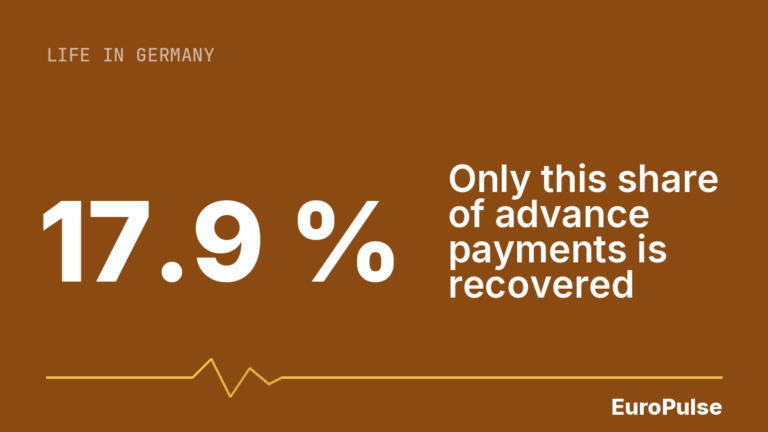
Why the fight. The ministry says spending has roughly quadrupled since 2017 to about €3.3 billion in 2025. Only 17.9 per cent was recovered: 20.7 per cent in Bavaria, around 11 per cent in Hamburg and Bremen. Berlin pays 40 per cent, the states and municipalities 60 per cent, and municipal associations want a return to pre-2017 rules. How many teenagers would lose out is reported differently, from 80,000 to 110,000. The BIAJ institute estimates savings of nearly €1 billion, about €396 million of it for the federal budget.
Who objects. The SPD rejects the cut and wants tougher recovery instead: credit-agency entries, a longer limitation period and a central collection body. Manuela Schwesig (SPD), Minister-President of Mecklenburg-Western Pomerania, under whom the 2017 expansion was passed, called the plan wrong. Daniela Jaspers of the single parents’ association VAMV warns of losses of up to €394 a month. The child protection association Kinderschutzbund fears more child poverty but backs a harder line on non-payers. Family lawyer Argiris Balomatis told Tagesspiegel that teenagers might leave school early for apprenticeships.
What next. In late September Prien said coalition reforms should be re-examined after state election losses, and on parental allowance she has already dropped a planned cut. In our assessment, her willingness to renegotiate suggests the age limit of 16 is unlikely to survive in its current form; a compromise with tougher recovery looks likelier. That is not certain: the Bundestag and Bundesrat have the final say, and budget pressure remains. Households on Bürgergeld would barely notice, since the advance counts as the child’s income there; single parents just above that threshold would feel it.
What you should do. Current rules apply and your entitlement is unchanged. Apply at the Jugendamt or local Unterhaltsvorschuss office, on paper or online. Back payment covers one month at most, so do not wait. You qualify if the child lives with you and the other parent pays nothing, pays irregularly or pays too little. For children of foreign parents, entitlement depends on residence status; the Jugendamt will tell you whether your permit is enough. On Bürgergeld, children aged 12 to 17 require the parent to have own gross income of at least €600 a month.
Sources: Familienportal des Bundes, ZDFheute, Kommunal.de, Vorwärts, Deutschlandfunk