The Bundesrat approved the early-start pension on Friday. As several media outlets report consistently, the state will therefore pay children and young people from the 2020 birth cohort €10 a month into a capital-funded retirement savings account. The Bundestag had already waved the bill through on 16 October, as fr.de writes. The scheme can now take effect retroactively from 1 January 2026.
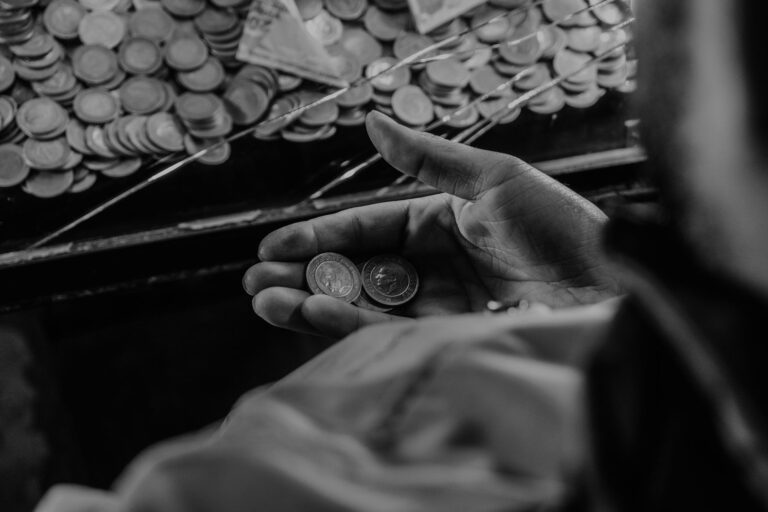
The money will be paid out from January 2027, initially to the 2020 and 2021 cohorts. After that, each year the cohort that turns six that year will be added. Anyone who is already seven today gets nothing, as n-tv.de stresses. The maximum support adds up to €1,440 per child by the age of majority.
No application, but an account is needed
Parents do not have to submit an application. If a certified standard account contract exists in the child’s name, the application is handled automatically through the provider – unless authorisation is objected to, as the Finance Ministry states according to fr.de. If parents do not choose an account, the money flows into a public capital investment managed by the Bundesbank. Until the age of 35, this entitlement can be transferred into one’s own contract.
A cost cap of one per cent applies to the contracts; front-end and distribution costs may not be charged until the 18th birthday. Parents, grandparents, relatives and friends can top up the account with voluntary payments of up to €6,840 a year. As a rule, the subsidised capital is not paid out before the age of 65 – so it is not suitable for a driving licence or university studies. The returns remain tax-free until the payout phase begins.
What €10 can become
According to calculations by the Federal Ministry of Finance, the state support alone creates an account value of around €2,200 by the age of majority. Without further deposits, this could grow to around €53,000 by retirement age, the ministry said. If parents add €10 a month, the account could grow to around €107,000 by retirement age, and with €50 added to around €320,000. These calculations assume an average annual return of seven per cent; in reality, the accounts may perform better or worse.
Federal spending is initially set at €198 million a year and is to rise to €411 million by 2030.
Praise in the Bundesrat, criticism from the Greens
Hesse’s Minister-President Boris Rhein (CDU) said in the Bundesrat that the early-start pension showed children: “The state is giving you a good start in the future.” What mattered was staying power. Mecklenburg-Vorpommern’s Minister-President Manuela Schwesig (SPD) stressed that fairness was also at stake, since many families could not afford early saving. Deutsche Kreditwirtschaft explained that the model could make an essential contribution to introducing young people early to building assets through the capital market.
The Greens criticised a two-tier system in the Bundestag. Anyone lucky in the “parent lottery” could make significantly more from the early-start pension with additional payments than a small starter grant. The Verbraucherzentrale also takes a critical view of the model: it is welcome that children and young people come into contact with shares and equity funds. However, this should not be confused with financial education, because young people do not automatically learn to assess costs, risks or the self-interest of financial institutions correctly. A suitable education concept was needed, which was missing from the draft law, the Verbraucherzentrale said according to fr.de.
A note for families hoping for the million: for a child who is six today, one million euros in 2089 would, by today’s standards, have a purchasing power of only around €292,900, as infranken.de calculates with reference to the Bundesbank’s inflation calculator.