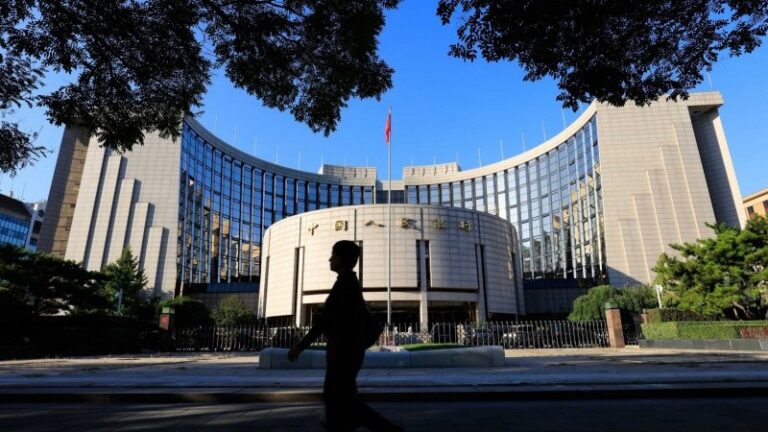
The increase in factory prices in China is an early sign that geopolitical tensions, particularly the war in Iran, are impacting costs in the world's second-largest economy. According to the National Bureau of Statistics (NBS), the producer price index rose by 0.5 percent in April compared to the previous year, signaling the end of a 41-month period of declining prices.
Dong Lijuan, an analyst at the NBS, stated, "The price increases are attributed to factors such as the rapid rise in global commodity prices and an improved supply-demand ratio in certain domestic industries." This trend could further strain companies' profit margins, as many manufacturers struggle to pass on the higher costs to buyers.
The price increases are particularly pronounced in energy-intensive sectors. For instance, the non-ferrous metal mining sector saw a rise of 36.4 percent in March, while the processing of non-ferrous metals increased by 22.4 percent. These developments could jeopardize China's economic recovery, which has been burdened by a deflationary spiral since late 2022.
Economists warn that a shift towards inflationary trends, driven by higher costs rather than stronger demand, could limit the Chinese government's ability to stimulate the economy. Uncertainty about future economic developments remains high.