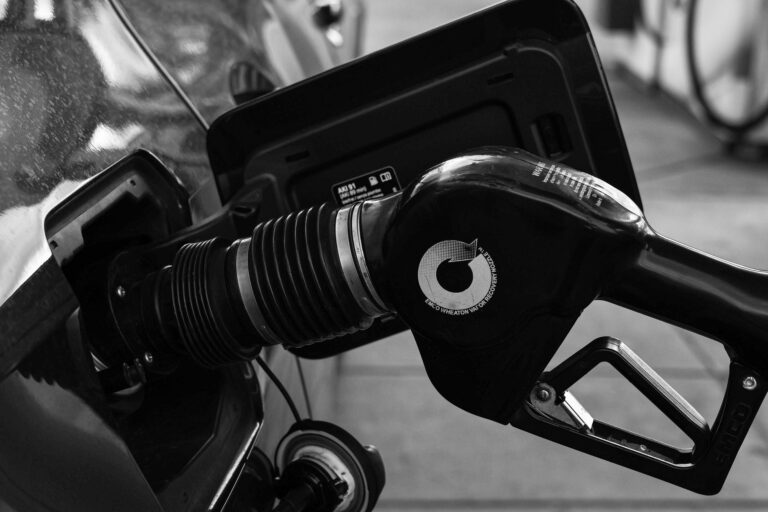
The German government wants a legal power to cap petrol and diesel prices in a crisis. According to dpa, the Economy Ministry’s draft is now in inter-ministerial coordination, and the cabinet is due to adopt it on Wednesday, most likely 2 December. The cap would apply from 1 January 2027, just as the current fuel tax cut runs out.
In September, the federal and state governments cut the energy tax on fuel by 14 cents a litre until the end of 2026, or 17 cents including VAT. They also promised a price cap modelled on Luxembourg or Belgium by 1 January at the latest (Bundesregierung). Earlier reports say the tax cut will not be extended because of budget constraints.
Who would set the maximum price?
Per dpa, the Markttransparenzstelle at the Federal Cartel Office would calculate it on weekdays using fixed formulas, based on wholesale prices of recent days in the most expensive of eleven fuel-storage regions. The cap would cover Super E5, E10 and diesel at public filling stations, but not motorway stations. It would run until 31 March at first, with an extension possible. The states could set different caps, for instance for individual districts or postcode areas.
Breaking the cap would be an administrative offence. Earlier reports cite fines of up to €100,000 for station operators and up to €500,000 for those responsible at companies that set sales prices.
It is unclear whether the cap would kick in automatically. Earlier versions, reported by ZDFheute and AUTO BILD in early November, made it conditional: German fuel prices would have to rise more than five percentage points faster than the EU average for three weeks in a row. Today’s dpa report does not mention that threshold. Whether it was dropped or simply left out cannot be settled from the sources available.
Why do so many doubt it will help?
The ministry stresses the cap is not another fuel rebate. Security of supply must be maintained, it says, because prices set too low could make imports unprofitable. The draft treats maximum prices as a “crisis instrument”, not a permanent fix.
That is where critics strike. Kerstin Hurek of the motoring club ACE said the cap would “presumably never be used” given the high hurdles, and called for targeted direct payments funded by a windfall tax instead. The ADAC expects Berlin to set the initial maximum price “rather high”. Armand Zorn, deputy leader of the SPD parliamentary group, will judge the draft by whether it effectively limits oil-industry margins. DIW economist Tomaso Duso argues that a cap “often becomes a shared target price in practice”, and prefers cartel checks at wholesale level plus targeted aid.
dpa expects SPD-led ministries to push for an average price rather than the most expensive region as the basis. That would make the cap tighter, and sharpen the supply-security question.
Our assessment: at the turn of the year, pump prices are more likely to rise because the tax cut ends than to fall because of the cap. A maximum price tied to the most expensive region looks more like an emergency brake on price spikes than everyday relief. How much it delivers depends on the detail of the implementing regulation, and on the cabinet.
Because the drafts have changed since November, several points remain open. We will update this report once the cabinet has decided.
Sources: Tagesspiegel/dpa, Bundesregierung, ZDFheute, AUTO BILD