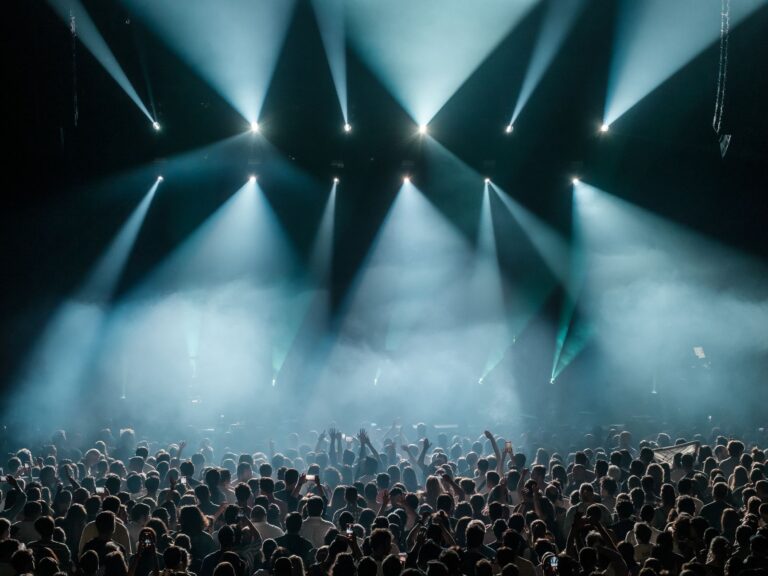
A concert ticket that costs 60 euros, resold online for 300: Federal Justice Minister Stefanie Hubig (SPD) wants to end that. Her draft “Ticketschutzgesetz” (ticket protection act) would let resellers add no more than 20 euros or 20 per cent to the original price, whichever is lower. The draft is being coordinated within the federal government, and Hubig wants it in force before the next concert and sports summer.
In numbers: a 30-euro club ticket could be resold for at most 36 euros, a 60-euro ticket for 72. Because the 20-euro limit applies from an original price of 100 euros, a 120-euro arena ticket would cap out at 140. Resale at fair prices, for example when someone cannot attend, is explicitly meant to remain possible.
Why the government is acting now
The real-world examples are stark. Before FC Bayern’s Champions League match against Real Madrid in April, a seller on Viagogo asked 7,000 euros for two tickets with a combined face value of 400. In June Hubig cited 14-euro tickets offered for 250 and spoke of “profiteering at the expense of fans”. Of the draft she said: “This is a rip-off. And it comes at the expense of clubs, organisers and artists.”
The German Federation of Consumer Organisations (vzbv) documented markups of 250 per cent and more in April; roughly a third of fans reported brushes with ticket fraud. The secondary market, it says, has grown from private hand-me-downs into a professional business. The vzbv wants mandatory disclosure of the original price and seller identity and, in the words of its consumer policy chief Jutta Gurkmann, “statutory guardrails”. Regulating the secondary market is also part of the CDU/CSU–SPD coalition agreement.
The fight over details
The music industry is only partly satisfied. PRO MUSIK and the live-industry association BDKV had asked for a 25 per cent cap, so the government draft is stricter on the percentage. They also want a ban on bots and fake accounts, a ban on selling tickets the seller does not yet own, and a right for organisers to have unauthorised listings removed. Whether the draft includes these is not clear from reports so far. Artists including Die Toten Hosen, Die Ärzte, Deichkind, Kraftklub and K.I.Z. back the demands.
Platforms disagree. The “Allianz Fairer Tickethandel”, whose members include Viagogo and StubHub International, warns that price caps would push trade “into uncontrolled black-market channels without buyer protection”. Hubig conceded in June that enforcing rules against providers outside the EU is demanding but “not impossible”. The UK is going further and plans to ban resale above face value.
Our assessment: the cap itself is politically popular and likely to survive coalition talks. Enforcement is the real test – without duties and sanctions for platforms, a cap would stay on paper. We can only be sure once the draft text is public.
Until then: buy from the organiser or its official resale channel, check whether personalised tickets can be transferred, and look up the face value before paying.
Sources: vzbv, Soester Anzeiger, MoreCore, Volksstimme/dpa