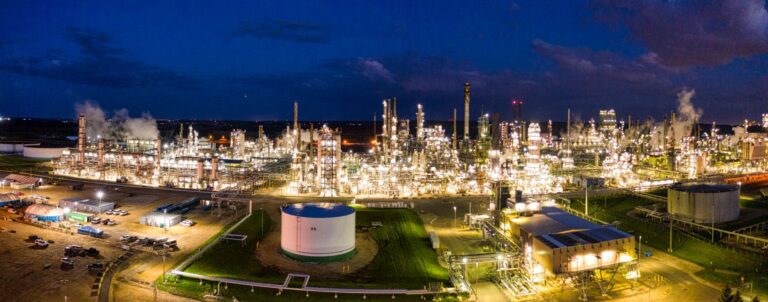
The United States is demanding that Ukraine stop striking Russian refineries and, according to Ukrainian officials, is threatening to cut intelligence sharing if it does not. In an NPR interview, Zelensky in essence confirmed that such a warning was issued: his generals told him it had been passed on at military level (Ukrinform).
There is no on-the-record response from Washington so far. The Financial Times reported on 12 October that the calls were made on the preceding Saturday and Sunday, and that one official received a call from a Pentagon representative (Meduza summarises the FT report). Two Ukrainian officials told the Kyiv Independent that Washington would hold Kyiv responsible for any hit on Russian energy sites during the ceasefire. The threats named intelligence sharing and PURL, the Europe-led, NATO-financed scheme through which Ukraine obtains US weapons. In its first year it delivered $6.7bn of weaponry, the Kyiv Independent writes. Direct US military aid has been suspended since Trump’s inauguration; intelligence cooperation had continued.
Three moves in three days
The threat does not stand alone. On Friday 9 October the US Treasury published General License 135 covering transactions in Russian-origin diesel (OFAC). According to law firm HSF Kramer, it runs until 7 April 2027, expressly covers imports into the US, and does not permit debits to accounts of the Russian central bank, the National Wealth Fund or the Finance Ministry. Whether it overrides the 2022 US ban on Russian oil imports is left open. On Sunday Trump announced an “energy ceasefire”; Zelensky said he learned of it from the news and that Kyiv would comply if Moscow did. The same day Russian drones hit power plants in Kyiv and Kharkiv (ZDFheute).
On scale: the diesel in the deal would cover US demand for only about 14 hours, ZDF reports. The effect on American pump prices is likely to be small; the political signal is not. Zelensky told NPR the easing would barely change US prices, and blamed higher energy prices on the blockade of the Strait of Hormuz.
Who wants what?
Washington wants lower fuel prices before the 3 November midterms – the reading of many commentators, not an official explanation. Kyiv sees refinery strikes as one of its few effective levers and, per Ukrinform, said it will keep hitting Russian energy and logistics targets until Russia stops attacking Ukrainian energy infrastructure. The Kremlin declined to comment on the truce, the Kyiv Independent says; spokesman Dmitry Peskov said Russia was ready to do everything for lasting peace. EU foreign policy chief Kaja Kallas said in Luxembourg: “We welcome the energy ceasefire if it is actually observed,” and urged Washington to tighten sanctions on Moscow. EU foreign ministers meanwhile agreed new sanctions on nearly 1,600 individuals and organisations.
Our assessment, with the caveat that the sourcing is anonymous: the most likely near-term outcome is that Kyiv quietly scales back refinery strikes without admitting it – dependence on US intelligence is too great to ignore the threat. For the truce to become real, Moscow would have to visibly stop hitting Ukraine’s grid; there is no sign of that yet. If the row escalates, Europe’s role grows: PURL runs on European money, but US intelligence is hard to replace quickly. For Ukrainians in Germany with family at home, it comes down to something very concrete: light and heat this winter.
Earlier coverage: SpaceX limits Starlink for Ukraine’s military.
Sources: US Treasury (OFAC), HSF Kramer, Kyiv Independent, Meduza/FT, Ukrinform, ZDFheute