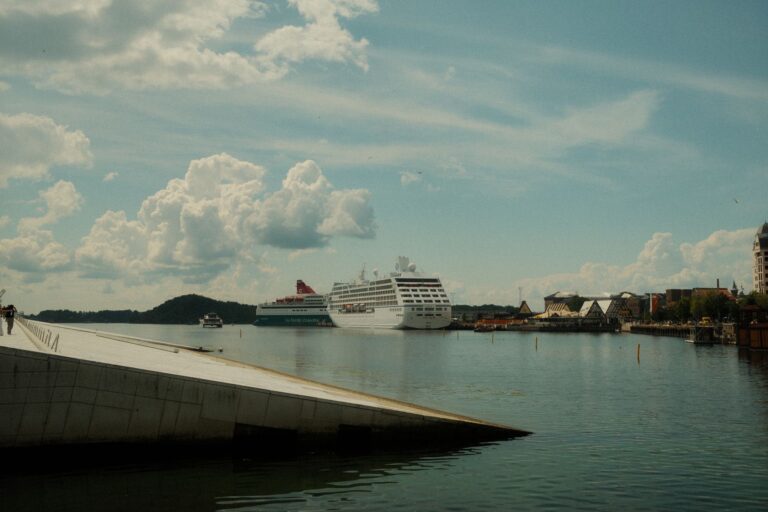
Volodymyr Zelensky, Finland’s President Alexander Stubb and Norwegian Prime Minister Jonas Gahr Støre are meeting in Oslo today. US envoys Steve Witkoff and Jared Kushner are part of the talks: Witkoff travels to Oslo, while Kushner, reportedly ill with flu, joins virtually. Støre said Kyiv itself asked for the two Americans to take part, and that the aim is “to put diplomatic efforts on a more constructive path”, according to a statement from his office dated 20 October.
The meeting comes in a tense week. Kyiv accuses Washington of holding back Patriot interceptors paid for by European allies and of slowing Starshield and intelligence sharing. We reported on the stalled delivery (Paid-for Patriot missiles: why is the US stalling?). The US side disputes parts of the accusations, and NATO officials say allied-funded deliveries continue.
An energy truce: who wants what?
At the core is a mutual halt to strikes on energy infrastructure. On 14 September Trump said Russia and Ukraine had agreed to spare each other’s energy sectors; Zelensky soon countered that no such truce existed. After Trump’s unilateral announcement about ten days ago, Ukraine paused attacks on Russian oil sites for several days, then declared on 15 October that it was “done”. Zelensky now states his condition openly: Kyiv will hold fire on Russian energy if Russia stops hitting Ukraine’s gas, power and oil systems, and if there are enough interceptors to protect them. In an interview with Corriere della Sera on 20 October he said: “If you could not stop Putin, then help Ukraine.” On the night of 15 October alone, he said, more than 850 drones hit 15 regions.
Moscow has shown little appetite: the Financial Times reported in September that Putin does not want to stop the strikes before winter, expecting them to pressure Kyiv.
Three scenarios after Oslo
First, a narrow deal. Washington delivers Patriots, Kyiv stops refinery strikes. It is the simplest trade and could move fast. Whether Moscow plays along is open.
Second, pressure on Kyiv. The New York Times, citing sources, reports that Trump is pushing Zelensky toward a deal largely on Russia’s terms, arguing Donbas is “not worth the effort”. Witkoff and Kushner are said to deliver that message in Oslo and then go on to see Putin: to St Petersburg according to the NYT, to Moscow according to other outlets. For Ukraine and Europe this would break with their shared line; EU foreign policy chief Kaja Kallas recently urged the bloc to “pressure the aggressor to stop the war, not the victim to surrender”.
Third, a bigger role for Europe. The E4 (UK, France, Germany, Poland), the EU and NATO are also invited. Polish Prime Minister Donald Tusk had complained that Poland was left out of earlier talks. If Europe can turn its money (the EU cites $50bn for next year, against $175bn in planned Ukrainian defence spending) into concrete negotiating positions, Oslo could be more than a photo op.
Our assessment: a narrow deal is the likeliest outcome, a major breakthrough on Tuesday is not. Reuters reports the schedule is tentative, and the NYT account rests on anonymous sources. For Ukrainians in Germany the stakes are concrete: air defence decides how many families go without power this winter.
Sources: Norwegian Prime Minister’s Office, Euronews, New Voice of Ukraine (NYT), Al Jazeera, Ukrinform, Handelsblatt