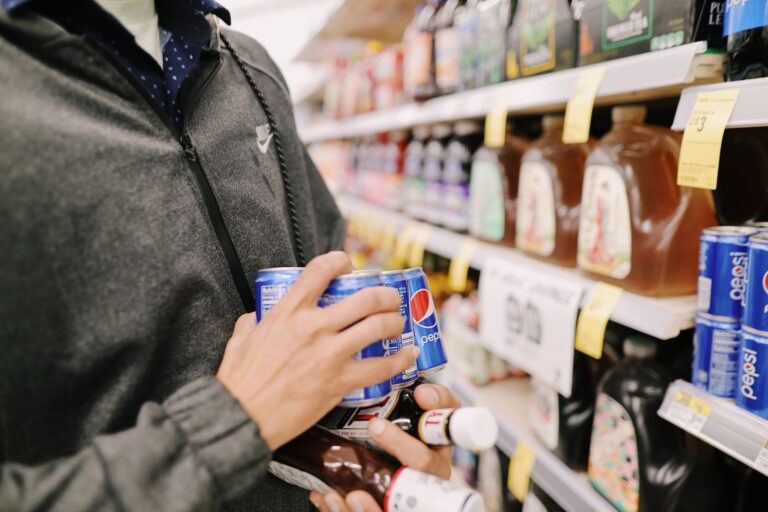
The Bundestag on Friday passed a tax on sugar-sweetened drinks. It is due to start on 1 January 2028, half a year later than planned in the autumn. Lemonade, iced tea and energy drinks will cost more at the supermarket; water, juice and “zero” drinks will not.
Which drinks are covered, and which are not?
According to the federal government, the tax applies to drinks above a certain total sugar content, such as soft drinks, iced tea, energy drinks and fruit nectar. Sugary syrups and concentrates used to make drinks are included. In the first draft the threshold was 5 grams of sugar per 100 millilitres.
Exempt are alcoholic drinks and their alcohol-free alternatives, milk, oat and rice drinks, pure fruit and vegetable juices and unsweetened spritzers. Drinks sweetened with sweeteners, such as Coke Zero, also stay tax-free.
How much more will it cost?
We could not verify the exact rates in the final version. The Bundestag finance committee agreed three tax bands on 12 November, whereas the October cabinet draft had two: 26 cents per litre for 5–8 grams of sugar per 100 ml and 32 cents per litre from 8 grams (Hamburg consumer advice centre, as of 14 October). The government expects price rises “in the double-digit cent range”, because the excise duty is meant to be passed on to shoppers. Producers and retailers set prices freely, though.
Hassia, a producer in Hesse, estimates that a crate of cola-lemonade could rise from €11 to as much as €17. That is the calculation of a company with an interest in lower taxes, and it depends on the bands and retail margins.
Under the October draft the state expects about €925 million in 2028 and roughly €875–890 million a year afterwards. The government says the knock-on costs of excess sugar consumption burden the health system by more than €2 billion a year. The revenue is meant to soften a planned cut to the federal subsidy for the health fund and so keep public health insurance contributions stable.
Who objects?
The Hamburg consumer advice centre calls the tax “long overdue” but warns of a loophole: a lemonade could be relabelled as an alcohol-free “fruit wine”. It is also critical of an exemption for small producers up to one million litres a year, which still needs EU Commission approval. Hesse’s premier Boris Rhein (CDU) called it a “price-hike tax” that endangers jobs in the mostly mid-sized drinks industry. The Greens noted in committee that if the tax works, revenue will fall.
Our assessment: the British example the supporters cite suggests many producers will reformulate rather than pay the full surcharge. The tax would then cost shoppers less than feared, but raise less money too. That is not certain; it hinges on the final bands.
In practice, nothing changes before the end of 2027. If you want to save from 2028, check the sugar per 100 ml on the label, or choose water, unsweetened spritzers or zero drinks.
Sources: Bundesregierung, Bundestag (hib), Verbraucherzentrale Hamburg, hessenschau, Deutsches Ärzteblatt