A day after Donald Trump announced a “big deal” that could affect “all of Europe”, enthusiasm is hard to find. The European Commission is lowering expectations, Moscow complains it has no European counterpart, and Berlin insists on a fixed order: end the war first, then talk about a security order. Status: Friday, 6 November, 7 pm Berlin time.
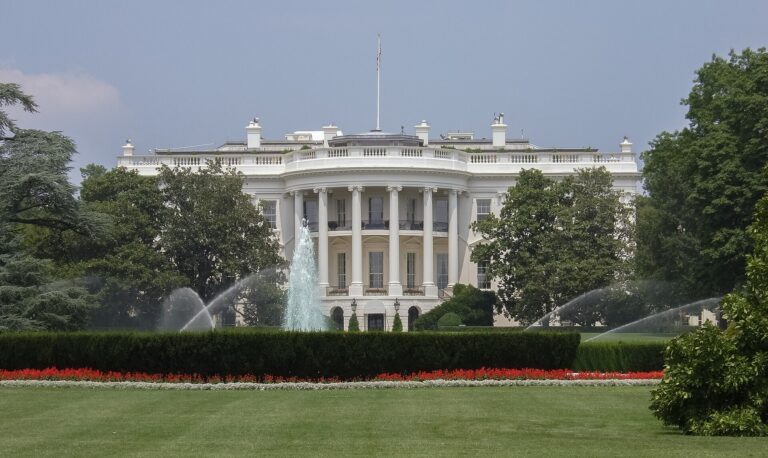
On Thursday Trump received Russian envoy Kirill Dmitriev at the White House and said the agreement would cover “more than Ukraine”. He gave no details and, by his own account, did not meet the Ukrainian representatives in Washington. We reported on it this morning (Earlier coverage). What is new are the reactions, and what lies behind the phrase “security architecture”.
What Washington has actually put forward
Trump’s negotiator Jared Kushner was more concrete. On X he listed five aims: permanent security consultations, reliable crisis communications, greater military transparency, reciprocal measures to reduce escalation risks, and a lasting framework for European stability. He stressed that every country keeps control of its own security and alliance choices and that NATO remains the core of collective defence. It reads more like a format for talks than a treaty, and it leaves open what Moscow would get in return. No country would have a veto over another’s sovereign choices, Kushner wrote – important for Kyiv, since Moscow has long opposed Ukraine joining NATO.
On Thursday officials from the US, Ukraine, NATO and European states met in Brussels to discuss security guarantees for Kyiv. Kushner called the talks productive and said that, if progress is made, the process would move to a wider format with Europeans “directly” involved. According to Reuters, Russian and Ukrainian delegations are due to hold US-brokered talks in Abu Dhabi on 10 and 11 November.
Brussels hesitates, Moscow needles
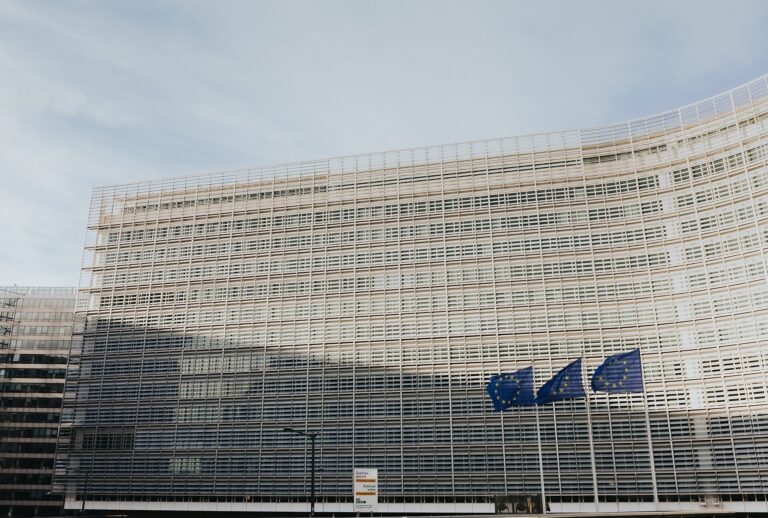
Commission spokeswoman Paula Pinho said there was still a lot of work to do; above all Russia must show willingness, and “not much movement” was visible so far. She did welcome the resumption of talks.
Kremlin spokesman Dmitry Peskov said, as reported by the Moscow Times, that Russia had received no proposals from Europeans. At some stage it would be impossible to proceed without them, he added, but Europeans “have not even yet been able to decide who can speak on their behalf”. In reality the picture is mixed: Norwegian Prime Minister Jonas Gahr Støre and Finnish President Alexander Stubb phoned Vladimir Putin and stressed they spoke only for their own countries. Danish Prime Minister Mette Frederiksen said she was “very skeptical” that Russia wants peace, while Norway’s Jonas Gahr Støre defended the call, arguing Putin should hear European views directly rather than through intermediaries in the Trump administration.
The German government is betting on sequence. After a call between Chancellor Merz and Trump, spokesman Stefan Kornelius said the war must end first, with a European security order to follow by consensus among NATO partners. Talks without Europe, he said, would not be productive. Foreign Minister Johann Wadephul put it this way: nothing about Ukraine without Ukraine.
Why the order of events is the real dispute
In our assessment this is the crux. Since late 2021 Moscow has demanded a say in the security order of the whole continent and tied it to the war. If Washington now negotiates both in one package, Russia may try to trade concessions in Europe for concessions on Ukraine. Berlin wants to avoid exactly that. Peskov’s portrayal of Europeans as divided is also a lever: anyone who fails to name a joint negotiator leaves the field to Washington. How well that reading holds depends on what is actually tabled in Abu Dhabi; so far there are no documents, only statements of intent.
For Ukrainians living in Germany the announcement changes nothing for now, neither for residence status nor for benefits. It will matter once talks turn into an agreement, for example on a ceasefire and security guarantees that shape prospects of return. A quick breakthrough looks unlikely given the signals so far; a slow process with several rounds is more probable.
Sources: Tagesschau, Kyiv Post (Kushner statement on X), Moscow Times (Peskov briefing), Voice of America