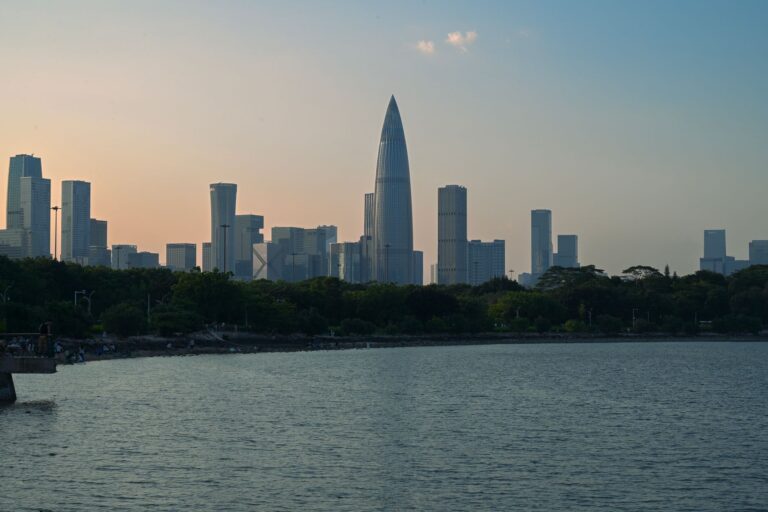
Donald Trump, Xi Jinping and Vladimir Putin are due to meet as a trio for the first time on Thursday. The White House confirmed on Friday that the encounter will take place on the sidelines of the APEC summit in Shenzhen, China, which runs on 18 and 19 November. Until now the three leaders have only spoken bilaterally.
The official subject is nuclear weapons. New START, the last arms-control treaty between the US and Russia, expired in February; Trump turned down a one-year extension and wants a “new, improved and modernised” deal that includes China. The Pentagon estimates Beijing has just over 600 warheads, against more than 5,000 each for the US and Russia. China’s foreign ministry recently called such talks neither “fair, reasonable nor realistic” at this stage. A senior US official said no agreement is expected and that this is the start of a conversation. The Iran war is the second topic. Ukraine, the same official said, Trump will steer clear of.
Who gains from the photograph alone?
Mostly Putin. Kremlin spokesman Dmitry Peskov called the meeting “extremely significant” but rejected comparisons with Yalta in 1945: agreements reached in Shenzhen, he said, cannot be imposed on others. Moscow-based analyst Alexander Bratersky told Al Jazeera that the meeting alone is a win Putin can sell at home. Craig Singleton of the Foundation for Defense of Democracies argues such photo opportunities bring diminishing diplomatic returns.
For Kyiv and Europe the risk lies in the image, not the agenda. Volodymyr Zelensky has warned the meeting could become a platform for a Ukraine deal struck without Ukraine. That sits uneasily with Trump’s recent sanctions waiver for Russian diesel. German President Frank-Walter Steinmeier said on ARD after visiting Beijing on 30 October that Xi described the war as a European conflict in which Europeans must have a seat at the table, and that no three-way Ukraine summit was being prepared. Beijing, it seems, wants the picture of great-power status without the responsibility for a Ukraine settlement.
What to watch in the coming days
Our assessment, with moderate confidence: the likeliest outcome is a symbolic meeting and a vague statement on “strategic stability”, with no binding commitments. Three signals matter. Does Ukraine appear in any joint wording, and if so, with or without Kyiv? Does China concede anything on arms control, which it has so far refused? And do Washington and Beijing extend the trade truce that expires in January? For Ukrainians in Germany this is less a matter of paragraphs than of reliability: the more their country is discussed without them, the more the European negotiating formats matter, whose make-up the EU is itself still arguing over.
Sources: AP, Al Jazeera, ZDFheute, Euronews, Korea Times/AP