Germany’s economy kept growing through the summer, and by more than almost anyone had expected. Gross domestic product rose 0.2% in the third quarter of 2026 compared with the previous quarter, the Federal Statistical Office (Destatis) said on Friday in its first estimate. Year on year, growth was 1.3%, or 1.2% adjusted for calendar effects (against 1.0% in the second quarter).
The surprise lies in the forecasts: Dow Jones Newswires had pencilled in stagnation, while an economists’ poll pointed to 0.1%. Even before the release, expectations were scattered, a sign of how hard the economy is to read right now.
Consumers carry it, investment and exports sag
The gain came from domestic demand. Household consumption edged up, according to Destatis, while investment fell on preliminary findings. Exports, which had grown very strongly in the first half, “weakened noticeably in the third quarter of 2026”. The office gives no component figures yet; detailed results follow on 25 November.
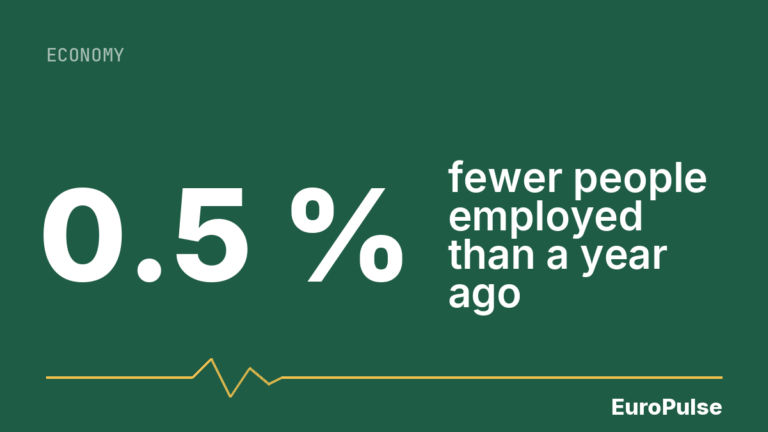
The labour market tells a different story: in September about 45.60 million people were in work, unchanged on the month but 0.5% lower than a year earlier. Output and employment are still moving apart.
This year’s path: +0.4% in the first quarter, +0.3% in the second, +0.2% in the third. The economy is growing, but at a slowing pace.
Flash in the pan, or real recovery?
Economists agree on direction but not on durability. Jörg Krämer, chief economist at Commerzbank, notes that GDP grew “even though energy prices have risen significantly”; he expects only moderate growth in the coming quarters, citing missing reforms, weak investment and trade headwinds. Thomas Gitzel of VP Bank sees leading indicators pointing to another gain in the fourth quarter and calls annual growth above 1% all but certain. Marc Schattenberg of Deutsche Bank points to a robust business climate and full order books; the bank forecasts about 1% for 2026, with some upside. Jens-Oliver Niklasch of LBBW says only next year will show whether the upswing is lasting “or just a flash in the pan”. ING’s Carsten Brzeski warns that without reforms the upturn will not become a sustainable recovery.
Our reading: the number is welcome but small, and it rests on consumption at a time of falling employment. Until investment and exports pick up, growth stays fragile. After two years of contraction (2023 and 2024) and a meagre 0.2% in 2025, growth above 1% for 2026 would be the first tangible progress. For households it means no relief on the jobs front yet, and first estimates are often revised, so the picture may still shift before the detailed release in November.
How the European Central Bank reads the data is open. Helaba analyst Ralf Umlauf says the market mostly expects a 25-basis-point hike in December, though it is not fully priced in.
Sources: Destatis, Dow Jones / finanzen.at, Ökonomen-Stimmen / finanznachrichten.de, dpa / ARIVA