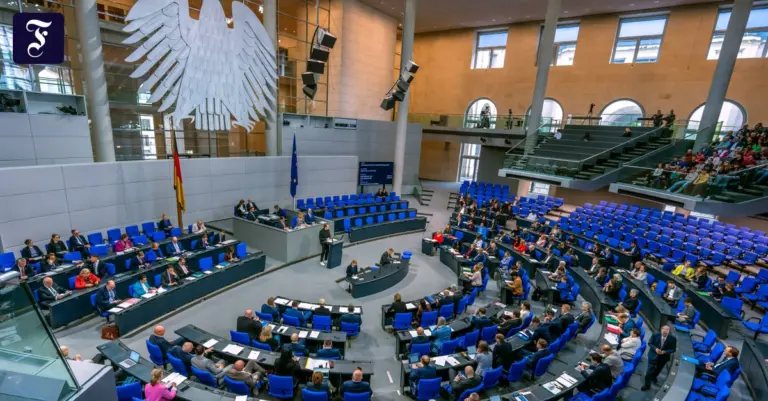
As FAZ reports, on March 31, 1950, an unusual alliance formed in the Bundestag: FDP MP and machine factory owner Hans Albrecht Freiherr von Rechenberg and KPD MP Heinz Renner both spoke out against the planned allowances. Rechenberg warned that the amount endangered “affection for German democracy.” Renner considered the pay “measured against the general hardship of the people” too high and mocked the “millionaire preaching modesty.” The minutes noted “applause from all sides of the house” – a rare moment of unity.
The law was nevertheless passed by a broad majority. MPs subsequently received 600 marks in expense allowance, 200 marks for cost reimbursement, and 30 marks per session day. Article 48 of the Basic Law merely stipulates that allowances must be “appropriate” and ensure independence. In 1975, the Federal Constitutional Court clarified that a Bundestag mandate is not an honorary office. This year, MPs are forgoing a raise in their pay.
Source: www.faz.net