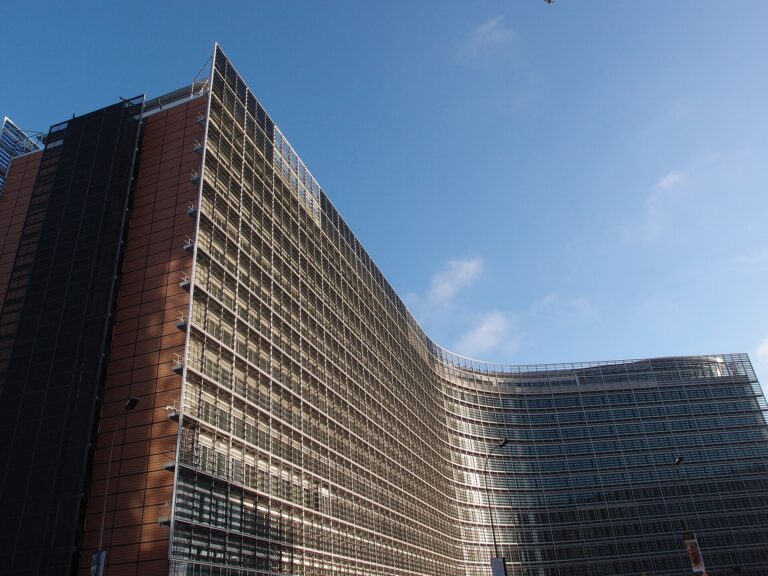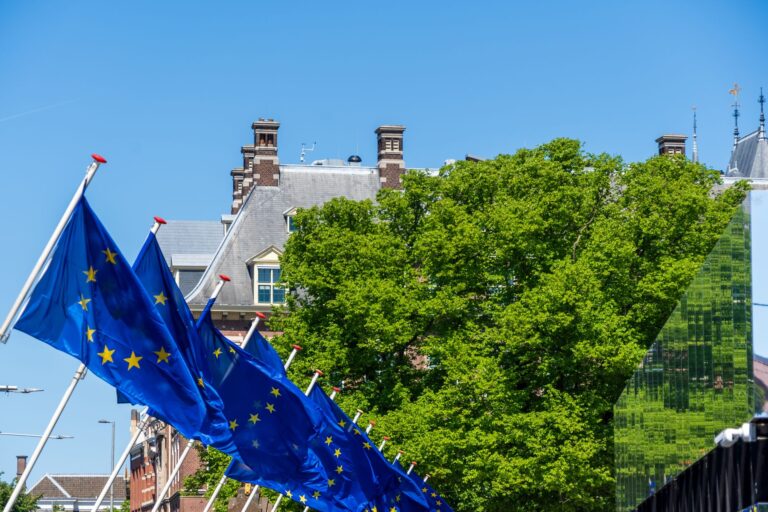
EU ambassadors agreed provisionally in Brussels on Wednesday to add 145 names to the Russia sanctions lists, including 50 Russian banks. Foreign ministers are due to confirm the decision formally on Monday, 16 November; it takes effect once published in the EU’s Official Journal. Reuters and Ukraine’s Yevropeiska Pravda report this, citing EU diplomats.
The names are spread across three regimes. Under the main regime on Ukraine’s territorial integrity there are 113: twelve individuals and 101 entities, including those 50 banks, enablers of Russia’s shadow fleet, energy companies and further business figures. That regime now holds about 4,500 listings. Another 31 fall under the hybrid-threats regime (30 individuals, one entity), and one entity under the cyber regime.
Why the hybrid list, and why now?
A source quoted by Reuters links the hybrid listings to the attempted drone attack on Leipzig/Halle airport. An explosives-laden drone was found there on the evening of 4 August, with several Ukrainian cargo planes parked nearby; the airport is a hub for military aid to Ukraine. On 1 September the German government blamed Russia. Interior Minister Alexander Dobrindt (CSU) spoke of “Russian responsibility for the attempted attack”, and Foreign Minister Johann Wadephul (CDU) announced new EU listings. Berlin also closed the Russian consulate general in Bonn. Moscow has long denied waging hybrid warfare.
That the result is 31 names shows how slowly this machinery turns: such listings need unanimity among 27 capitals, and more than three months separate the attempted attack from the decision.
145 is not 1,600
The gap to what Brussels itself promised is striking. In August, High Representative Kaja Kallas told Die Welt she would table “the most far-reaching sanctions listings since the start of the war”, raising the number of sanctioned individuals and companies by a third. In early September, according to ZDF, she spoke of preparations to target 1,600 more. The 145 are a fraction of that. Reports from around the talks say a larger package is still to come, covering Russian regional banks, refineries and Chinese and UAE firms accused of helping Moscow dodge sanctions. No confirmed date exists.
The bite of the bank listings should also be judged soberly. Russia’s big lenders have been cut off from SWIFT since 2022, and Moscow routes around the restrictions through a web of smaller banks. The Commission’s June proposal for the 21st package already targeted nearly 90 banks and would have lifted the number of sanctioned Russian institutions above 100 – more than half of the country’s internationally connected banks, Reuters reported. The new 50 mainly plug gaps in the existing system rather than reshape it. Whether that is enough to dent war financing is open: Russia’s economy grew just 1% last year, against 4.9% in 2024, according to Reuters.
The timing is telling. Talks in Abu Dhabi are under way, Washington is sounding out Moscow, and the Commission, according to Yevropeiska Pravda, has rejected a US proposal to resume Russian gas purchases. Brussels says it will not lift sanctions until the war is “completely over”. The list is therefore also a signal: Europe is not bargaining away its leverage.
Our assessment: formal confirmation on Monday looks very likely since the ambassadors have already agreed; a veto from an individual state is possible but none has been announced. The real test is the big package – whether it lands in November depends on whether countries such as Greece or Hungary again demand exemptions, as Greece did over LNG in July.
Sources: Bundesregierung, Reuters, Yevropeiska Pravda, ZDFheute, Euronews