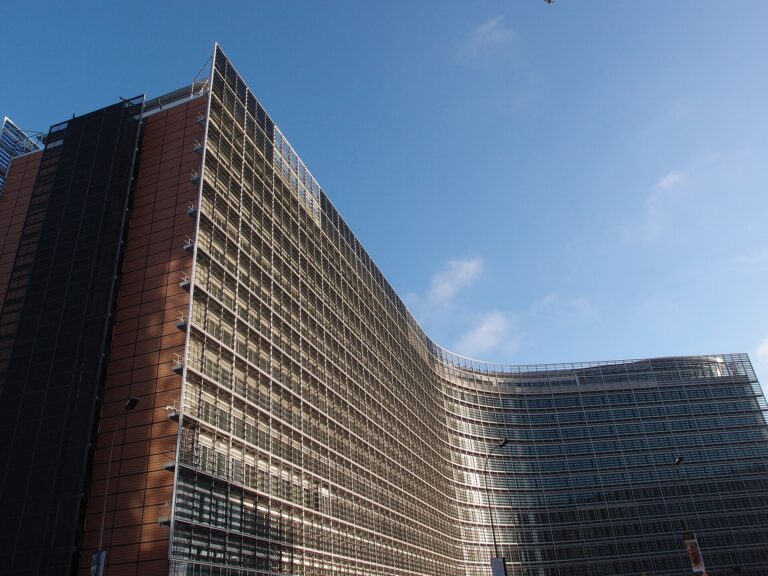
Ukraine is short of about €70 billion for 2027, and nobody has yet settled who pays. EU Economy Commissioner Valdis Dombrovskis told reporters in Brussels on Monday, ahead of the Eurogroup meeting, that he is “cautiously optimistic” member states will agree an acceptable option in time. The Commission plans to put the options to them later this month.
Where things stand: in December 2025 EU leaders agreed a €90 billion loan for 2026 and 2027, funded by EU borrowing on capital markets and backed by headroom in the EU budget. Ukraine repays it only once it receives reparations, and Russia’s frozen assets stay immobilised until then. The Czech Republic, Hungary and Slovakia carry no financial obligations. About €45 billion is pencilled in for 2027. On 5 November Brussels paid out €4.36 billion, €3.7 billion of it tied to IMF-backed reforms.
It is not enough. At the October summit President Zelensky put the extra gap at no less than €70 billion and the total cost of the war in 2027 at €155 billion. Kyiv counts $32.6 billion for the state budget and $45 billion for the army, about $78 billion in all. According to Euronews, the Commission has adopted that estimate, although Dombrovskis stressed in early October that the exact size was not yet fixed.
Three routes, each with a catch
More joint debt. Diplomats see this as the likeliest outcome: the Commission could extend the credit facility behind the €90 billion package. It is politically sensitive because money is getting dearer; Euronews notes the yield on ten-year EU bonds rose from 2.8% in January to 3.44% in September. Chancellor Friedrich Merz told the summit: “Wir werden hier noch einmal die Mittel aufstocken müssen” — in his words, funds will have to be topped up again. In the Bundestag he promised that no euro for Ukraine is missing from German social or education spending.
Front-loading and partners. Dombrovskis floated in October paying out money from the existing package earlier, to buy time for other donors’ pledges. Norway has promised a significant contribution; the UK, Canada and Japan are expected to follow. Partner money has so far arrived more slowly than the EU hoped. That postpones the problem, and solves it only if pledges turn into cash.
Russia’s frozen assets. About €210 billion sits in the EU, €185 billion of it at Euroclear in Belgium. Germany, the Nordics, the Baltics and Ireland back tapping it. Belgian Prime Minister Bart De Wever calls that confiscation and demands uncapped guarantees; the ECB has warned of damage to long-term investors’ confidence. On Monday Dombrovskis did not say the EU would touch the principal, only that it reserves the right to do so if Russia does not pay.
Our assessment: in the short run a mix of front-loading and fresh joint borrowing looks most plausible, while a decision on the assets before year-end looks unlikely. Much depends on whether Belgium gets guarantees and whether the fight over the EU’s 2028–2034 budget gets tied to Ukraine. With no Commission paper yet, any forecast stays uncertain.
A discrepancy in the sources: Ukrinform writes that the EU wants to cover about two-thirds of the gap, roughly €45 billion. Euronews and Börsen-Zeitung describe the €45 billion as an already planned tranche of the loan, with the €70 billion coming on top. The figures can only be separated cleanly once the Commission publishes its proposal.
For Ukrainians in Germany: this concerns Ukraine’s state budget and army, not benefits such as Bürgergeld, which Germany funds itself. The debate is felt only indirectly, through the EU budget row and the question of how many guarantees Berlin will accept. On Germany’s own payments so far: Earlier coverage.
Sources: European Council (EEAS), Ukrinform, Euronews, Berliner Zeitung, Kyiv Independent