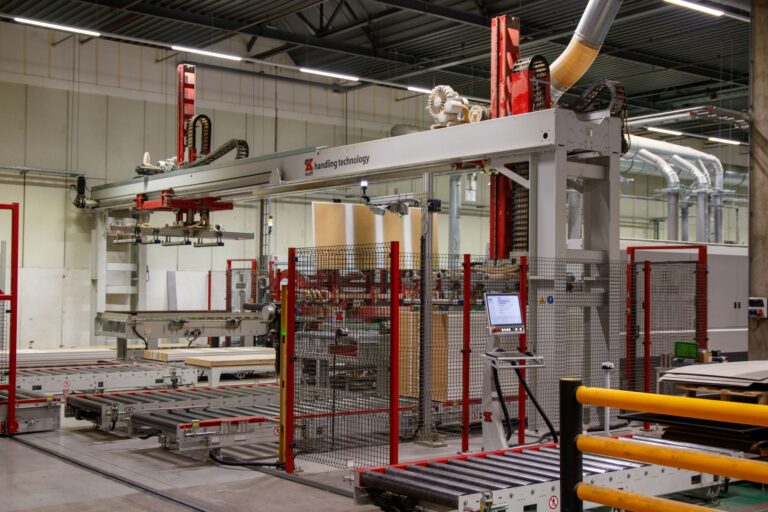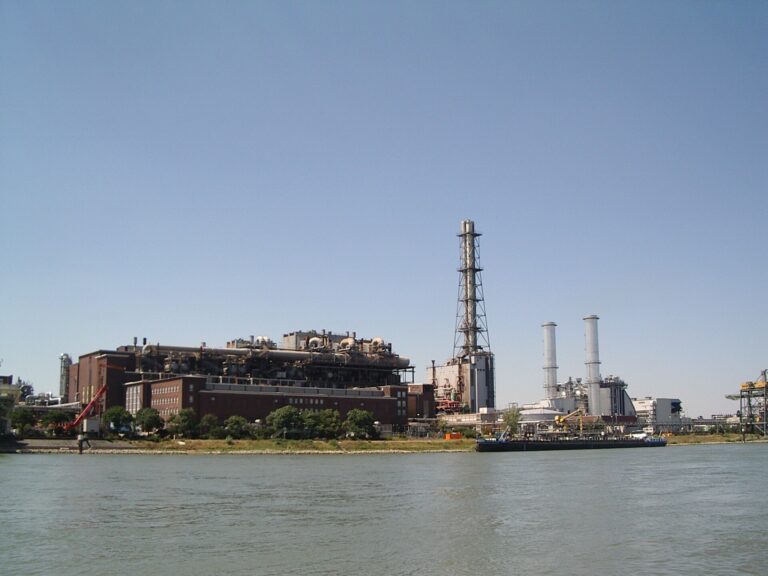
Industry in Germany is losing weight in the labor market. According to a study by the Bertelsmann Foundation, the number of industrial employees has fallen to a ten-year low. Currently, around 6.6 million people work in industry – their share of all employed persons dropped from 22 percent in 2014 to 19 percent.
The decline is not due to mass layoffs but to a changed hiring practice: companies are hesitating to fill vacant positions. The researchers at the German Economic Institute (IW), which conducted the study on behalf of the Bertelsmann Foundation, speak of a growing gap between new hires and departures. Since 2019, new hires have declined significantly more than terminated employment relationships.
“The declining new hires are a warning signal for future employment development,” said Luisa Kunze, labor market expert at the Bertelsmann Foundation. What is needed is a revival of labor demand in industry and more dynamism in the labor market. Only then will new opportunities arise for career starters and job changes become easier.
Industry has lost attractiveness for employees. The wage advantage in starting salaries compared to other sectors shrank from 20.4 percent in 2014 to 10.4 percent in 2024. For long-term employees, the advantage fell from 16.5 to 8.7 percent. However, the risk of losing one’s job was lower in 2024 than ten years earlier.
The study is published shortly before Industry Day on June 22 and 23 in Berlin, where Friedrich Merz (CDU) is also expected. The Federation of German Industries had warned in advance that “Made in Germany” is under massive pressure. The federal government has announced that it will present a reform package by mid-July covering pensions, bureaucracy reduction, and flexibilization of the labor market.
Source: www.tagesspiegel.de