As of Sunday evening, polling stations in Serbia close at 20:00 local time and no reliable results are in. Turnout already suggests this vote is different: by 13:00, 41.1 per cent of eligible voters had cast ballots, according to the independent monitoring group CRTA. At the same hour in the December 2023 election, it was 26.6 per cent.
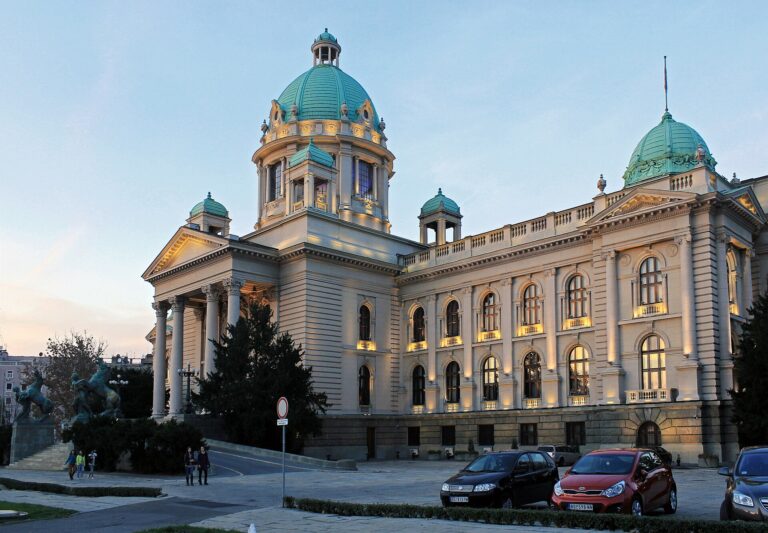
Voters are choosing 250 members of parliament; about 6.4 million people are eligible. Aleksandar Vučić is not on the ballot as president: he resigned at the end of September, barred from a third term, and wants to become prime minister, a post he held from 2014 to 2017. His Progressive Party (SNS) and its coalition face a list that grew out of the student protest movement. Its lead candidate, cardiologist Ilija Srdanović, would not necessarily become prime minister, the students say.
Why the outcome is genuinely open
Since the collapse of the Novi Sad railway station canopy on 1 November 2024, which killed 16 people, students have demanded action on corruption and independent institutions. Polls put the government list and the students roughly level. “These are the first elections in more than a decade whose outcome is genuinely very uncertain,” Vladimir Bilčík, a former European Parliament rapporteur for Serbia, told RFE/RL. ZDF correspondent Michael Bewerunge argues that high turnout tends to favour the student list because it mobilises its supporters better.
There are serious allegations on the other side. In its interim report of 10 October, the OSCE’s election monitors at ODIHR said voter pressure, media bias and the use of public resources undermine a level playing field. The voter register, with about 6.5 million entries and “unusually high” numbers in some municipalities, is a central dispute; an audit commission is due to report by 28 October. RFE/RL’s Balkan Service found more than 500,000 registered voters without a full address. On election day CRTA observed ballots being photographed in 25 per cent of polling stations by noon, and in about half of those in Belgrade; later in the day the share rose to 40 per cent, according to CRTA. The government rejects the allegations and says it has implemented the OSCE’s 2023 recommendations; the ODIHR report contradicts that.
Three scenarios for the coming weeks
First, the Progressives win narrowly and govern on with partners; a dispute over legitimacy would then probably reignite the protests. Second, the student list finishes ahead but short of a majority. Florian Bieber of the University of Graz points out that opposition alliances in Serbia have repeatedly collapsed after elections. Third, a clear student win that the state apparatus is hardly prepared for. Which is likelier cannot be said honestly before the count: partial results are expected late tonight, preliminary results on Monday and final ones probably on Tuesday. Votes from Serbians abroad are added later.
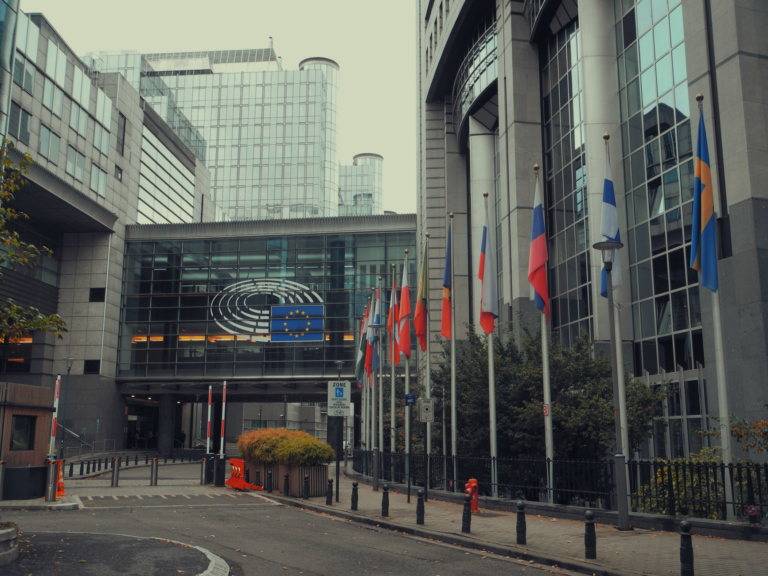
For Brussels this is more than domestic politics. No new negotiating chapter has been opened with Serbia since late 2021, and eight member states are blocking Cluster 3 over rule-of-law concerns and Belgrade’s refusal to join EU sanctions on Russia. The student movement also opposes those sanctions and rejects recognising Kosovo. A change of power would therefore raise pressure for reform without automatically changing foreign policy — our assessment, with considerable uncertainty.
Sources: ZDFheute, RFE/RL, ODIHR interim report (via N1), European Western Balkans, Atlantic Council