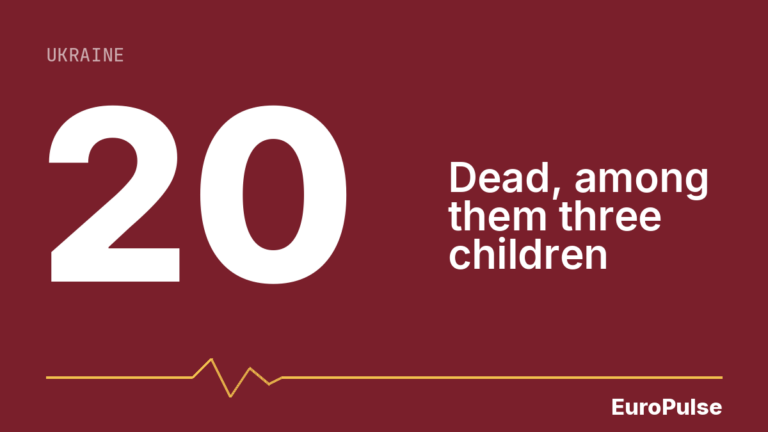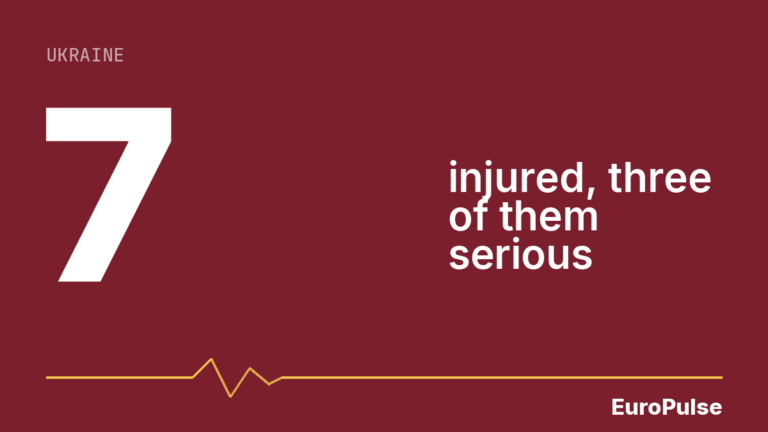
Ukraine’s Defence Intelligence (DIU) has published information on Telegram about 20 Russian ships involved in the export of oil and liquefied natural gas (LNG). As the news agency Ukrinform reported on Sunday, the ships belong to the logistics network through which the Kremlin earns revenue to finance its war against Ukraine.
“These ships are part of the logistics network that the Kremlin uses to generate revenue to finance its genocidal war against Ukraine. All of them are currently subject to sanctions imposed by the United Kingdom or Ukraine, while one of the ships is under US restrictions,” Ukrinform quotes from the DIU’s statement.
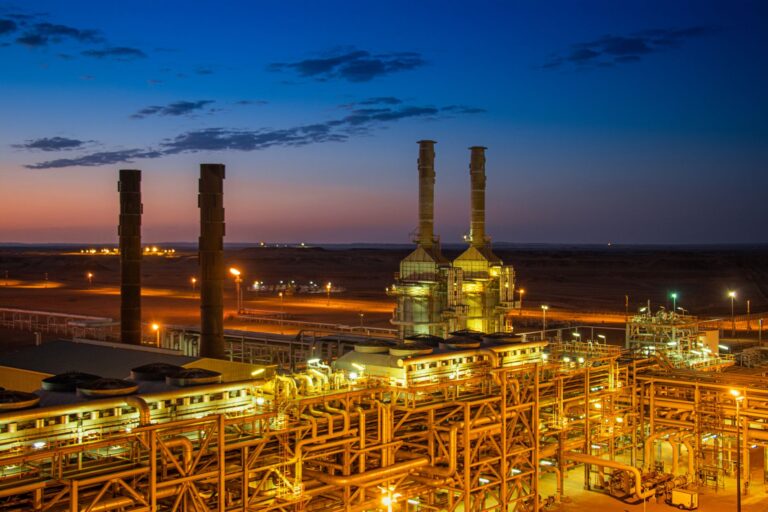
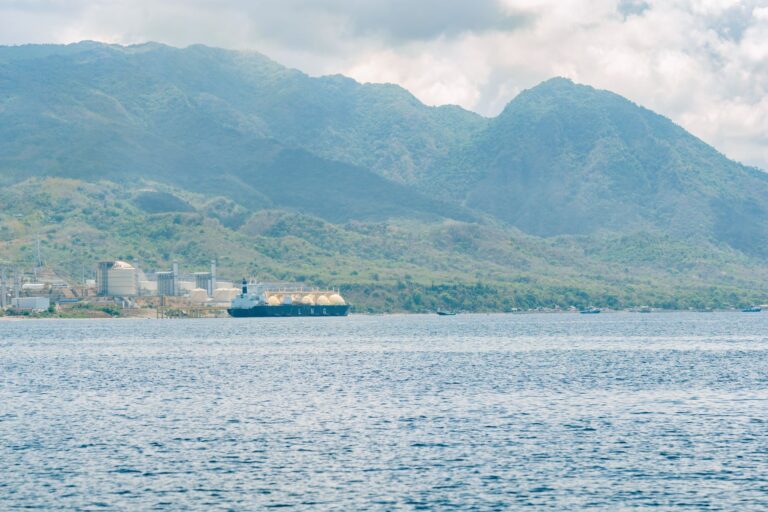
The DIU names the Russian tanker PORTOVYY (IMO 9246621), which is designed for the transport and storage of liquefied natural gas, as the main subject of the publication. Since 2021, the ship has belonged to the sanctioned Russian company PJSC Gazprom and served as a floating gas storage facility at the Portovaya complex in the Leningrad region. “On 15 August 2026, PORTOVYY left the Gulf of Finland with a cargo of Russian LNG for the first time since November 2021. The tanker travelled via the Northern Sea Route to the Chinese port of Beihai for unloading,” the service said. The ship is currently at the Zhoushan Huafeng shipyard on Zhoushan Island in China, which is intended as a maintenance location.
Two new gas tankers and a network of shell companies
The DIU also published information on two new ships that Russia, according to the service, hastily acquired in spring 2026 through shell companies around the globe for its shadow fleet of gas tankers. These are the conventional LNG tanker AVACHA (IMO 9319404) and the gas tanker CHAIVO. AVACHA previously belonged to the Chinese company Jovo Energy, but was taken over in spring 2026 by the little-known company Tudor Maritime Ltd, registered in the Marshall Islands. Since June 2026, the tanker has sailed under the Russian flag and is operated by the newly founded Russian company Kryoline Management LLC (TIN 6500028647). Since August 2026, according to the DIU, the ship has been transporting gas from the Utrenny terminal of the sanctioned Arctic LNG 2 project to the Beihai hub in China.
CHAIVO previously belonged to the Greek company Maran Gas Maritime and was also acquired by Tudor Maritime Ltd. “Since July 2026, the ship has been placed under the Russian flag and brought under the umbrella of Kryoline Management LLC. Since August of this year, the gas tanker has been transporting cargoes to the port of Beihai from the sanctioned floating, non-self-propelled gas storage unit KORYAK FSU, which is located in the waters of the port of Petropavlovsk-Kamchatsky,” the DIU said.
The service stated that Russia is not only trying to build ice-class ships at its own shipyards, but is systematically and proactively expanding its shadow fleet through a network of offshore companies in order to secure the critically important revenue from energy exports. The DIU called on foreign partners to coordinate: control over the sale of ships by commercial owners must be tightened, Russia’s energy wealth must be decisively cut off, and opportunities for sanctioned ships to receive services at foreign shipyards must be blocked. “Every Russian tanker transporting sanctioned oil or gas is a legitimate target for international sanctions pressure,” the service said.
London continues sanctions against tankers and oil companies
The DIU’s information comes at a time when Western states are expanding their sanctions against the Russian shadow fleet. According to the British Foreign Office, the United Kingdom added 38 new entries to its Russia sanctions list on Thursday, 8 October, as the Berliner Zeitung reports. Those affected include the oil companies Zarubezhneft and INK Capital, twelve further tankers of the so-called shadow fleet, three crypto exchanges, two payment platforms and 17 suppliers of goods for Russian arms production.
According to the Foreign Office in London, the Russian oil companies sanctioned by Britain so far now account for more than 90 per cent of Russia’s total oil production capacity. With the twelve additional tankers, the number of shadow fleet ships sanctioned by London rises to over 600. According to the British account, three of the sanctioned crypto and payment service providers have a connection to Kyrgyzstan. Two entities are said to have processed payments for the so-called A7 network, which according to the Foreign Office is used to circumvent Western financial sanctions. According to its own statements, the network moved more than 90 billion US dollars last year – about half of annual Russian military spending. According to the news agency Reuters, the Russian embassy in London initially did not respond to a request.
Kyiv reports attacks on hundreds of shadow fleet ships
The Ukrainian armed forces are also attacking the shadow fleet militarily. Robert “Magyar” Brovdi, commander of Ukraine’s unmanned systems, stated on 12 September 2026 that Ukrainian units had engaged 285 ships of the Russian shadow fleet in the Sea of Azov and the Black Sea since the start of Operation MoLoChKa ten weeks earlier, as the news outlet Ukrainska Pravda reported. According to this, 215 ships were hit in July, 54 in August and a further 16 between 1 and 11 September. The operation had effectively stopped shadow fleet traffic in the Sea of Azov and the Kerch Strait and significantly disrupted it in the northern and north-eastern Black Sea, Brovdi said. He published a video which, according to his account, shows an attack on a sanctioned oil tanker accompanied by a Russian helicopter.
The sanctions gaps on Russian liquefied gas have been known for years. Back in November 2024, the Süddeutsche Zeitung described how the USA is enforcing a global boycott of the new Arctic LNG 2 terminal, while LNG continues to flow onto the world market from two older facilities in the neighbourhood – Yamal LNG and Portovaya – because Washington has not sanctioned these terminals. The EU, too, was acting only hesitantly on Russian liquefied gas at the time.
For Ukraine, all of this is about money that flows directly into the war. According to its own statements, the DIU had previously already uncovered a scheme with which Russian agricultural magnates circumvent sanctions and generate revenue in the EU to finance the war against Ukraine. The new information on the 20 ships is intended to help partners control the sale of ships by commercial owners more strictly and to deny sanctioned tankers maintenance at foreign shipyards – a lever that has an effect far beyond Ukraine.