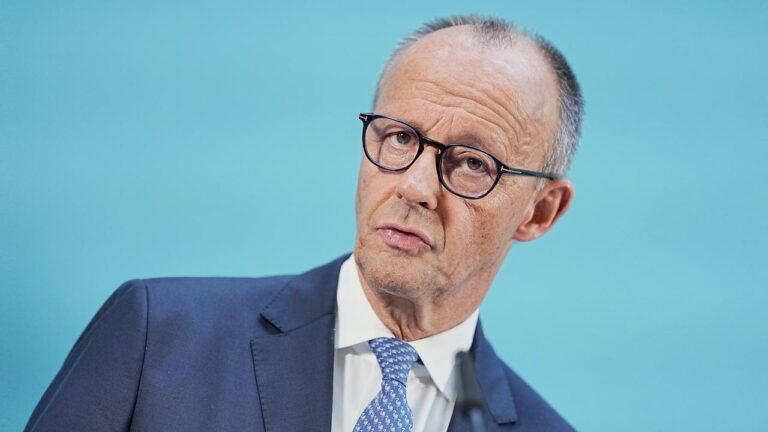
Günter Krings, deputy leader of the Union parliamentary group, rejected calls to lower the electoral threshold. “We should keep our hands off it,” Krings told the RedaktionsNetzwerk Deutschland. A lower percentage would make the already difficult task of forming a government even harder and create incentives for new parties and splinter groups, he warned. “Especially in our times, we need more stability in parliamentary work, not less.”
Supporters of a reform include Armin Willingmann, the SPD’s top candidate in Saxony-Anhalt, and Hans-Jürgen Papier, a former president of the Federal Constitutional Court. They argue that the five-percent threshold leaves many voters’ ballots unrepresented. The Left party in the Bundestag backs the initiative. “We would not block a change to electoral law based on his proposal,” said Ina Latendorf, the party’s parliamentary manager, to the Rheinische Post. “The will of the voters is not optimally represented this way, but that should be the goal in a democracy.”
A reform at the federal level would require a two-thirds majority in the Bundestag because it would entail a change to the constitution. In Saxony-Anhalt, where elections are set for September 6, the situation is particularly tense: Willingmann’s SPD polls at five percent, while the Greens, FDP, and BSW each reach four percent. However, FDP top candidate Lydia Hüskens spoke out against lowering the threshold.
Source: www.zeit.de