Zelensky made an unannounced trip to Berlin, Chancellor Merz promised another €200 million in winter aid, and back in Ukraine emergency power cuts were in force. That juxtaposition defined Tuesday.
Overnight into 3 November, Russia fired 289 drones, 17 ballistic missiles and 59 cruise missiles, according to Ukraine’s Energy Ministry, with energy infrastructure the main target. Facilities were hit in ten regions, including Vinnytsia, Dnipropetrovsk, Zaporizhzhia, Zhytomyr and Kharkiv. DTEK, the country’s largest private energy company, said three of its thermal power plants had stopped generating and that Russia struck the energy system more than 20 times in a day. Emergency outages are in force in Kyiv and six other regions. Mayor Vitali Klitschko reported a temporary loss of water supply, disrupted public transport and “warming centres” where people can charge phones and get hot tea.
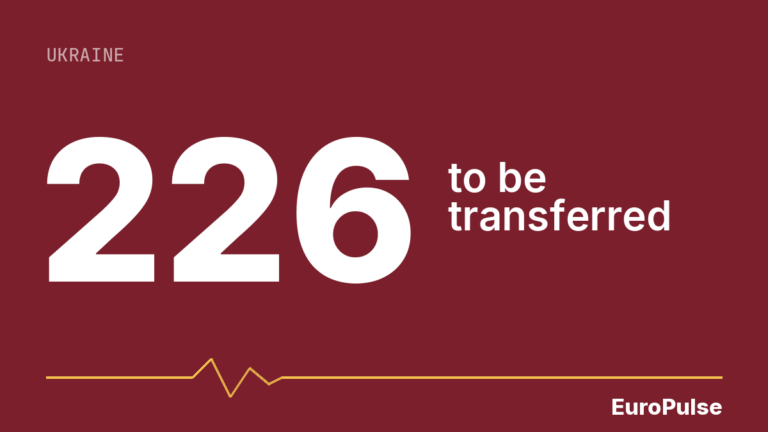
Against that backdrop, Merz and Zelensky faced the press. The €200 million is split evenly between the Foreign Office and the development ministry, for humanitarian relief and energy security. The Bundestag still has to approve it. “We will continue our aid until this war is over,” Merz said.
What is €200 million worth?
A signal, not a turning point. On his 4 October visit to Kyiv, Merz announced a package of more than €1.3 billion covering weapons, energy support and funding for interceptors against jet-powered Shaheds; the new tranche is roughly 15 per cent of that. Zelensky puts Ukraine’s additional European financing need for 2027 at €70 billion. Green budget politician Jamila Schäfer called the money “a small ray of light” but criticised that humanitarian aid had been cut even as attacks on energy supply intensified.
The real bottleneck lies elsewhere: air defence. According to Handelsblatt, Germany has already handed over every Patriot system it can spare without weakening its own defences, and Merz acknowledged, as reported by Ukrinform, difficulties in replenishing stocks. Generators and spare parts help through the winter, but they will not shield a substation from the next strike.
Three dates, one question: a ceasefire for energy?
The coming weeks are packed. On 10 and 11 November, US-mediated direct talks between Ukraine and Russia are due in Abu Dhabi, the first in a long while. Zelensky wants, first of all, a halt to attacks on energy and other critical infrastructure, plus an end to the Black Sea blockade and an “all for all” prisoner exchange. Merz said every diplomatic route should be pursued, but only those leading to a ceasefire and peace: “Anything else is unacceptable.” On 19 November he hosts about 35 “Coalition of the Willing” countries in Berlin to set 2027 support, mainly military. The German-Ukrainian Economic Forum follows in Berlin the next day.
Our assessment, with caveats: a limited energy-sector deal is the most attainable outcome, because it saves both sides something – Ukraine protects its grid, Russia its refineries. But it is just as plausible that Abu Dhabi ends without a tangible result and the strikes continue through winter. Until then, the outcome will be decided less in Berlin than by how many interceptors actually reach Kyiv.
The format of any future negotiations is undecided. Both leaders insisted Europe must be at the table. “Europe must and wants to play a role in this process,” Merz said; Zelensky spoke of involvement “in one format or another”. What that means in practice remains open.
Earlier coverage: Witkoff: US to mediate Ukraine talks on 10 and 11 November (German).
Sources: Handelsblatt, taz, Ukrinform, Ukrinform / Energy Ministry, Kyiv Post, president.gov.ua