The UN’s Independent International Commission of Inquiry on Ukraine has concluded that Russia’s attacks on Ukraine’s energy system amount to war crimes and crimes against humanity. Its report to the General Assembly (A/81/440) was presented in New York on Monday.
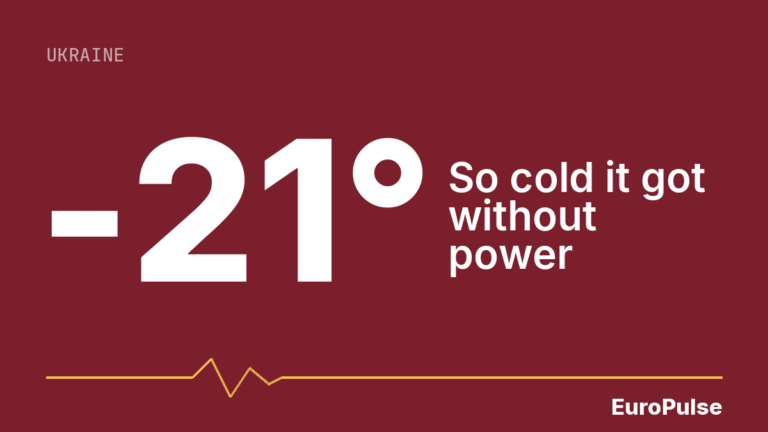
The commission, chaired by Norway’s Erik Møse, drew on testimony from 255 people in nine regions, from Kyiv and Kharkiv to Odesa, as well as Ukrainian authorities, doctors and NGOs. The focus is the winter of 2025–26, when temperatures fell to minus 21°C and millions of people went long periods without heating, electricity, water and gas. The report also takes stock of the cumulative effect of the strikes since autumn 2022.
From “could” to “did”
The wording is what is new. In March 2024 the commission said attacks on the power grid could amount to crimes against humanity. Now it finds that Russian authorities committed war crimes by intentionally directing attacks at civilian objects, and crimes against humanity in the form of “other inhumane acts”. The strikes, it says, were targeted and followed a state policy of depriving civilians of electricity and other essential services and causing suffering.
Its reasoning: Russian commanders knew the heating facilities they hit in big cities were vital to civilians in winter, and Russian officials publicly announced further attacks. Moscow, according to the report, did not answer the commission’s requests or grant access, so it could not fully assess Ukrainian strikes on energy sites in Russia and occupied territory.
Coverage differs in emphasis: Al Jazeera leads on war crimes, ORF and Ukrinform on crimes against humanity. Both findings are in the report; the second is the graver one.
The investigators describe the human toll concretely. Older and less mobile people stayed in cold, dark flats during air raids for fear of being trapped in lifts. Schools were shut for long stretches and children fell ill. A 53-year-old Kyiv man told the commission: “the scariest thing was to fall asleep and not to wake up.”
What such a report does – and does not do
The commission cannot prosecute anyone. Its weight lies in evidence: it feeds into cases and into the political debate at the General Assembly. The International Criminal Court issued arrest warrants in June 2024 for former defence minister Sergei Shoigu and chief of the general staff Valery Gerasimov over strikes on energy facilities; the UN report supports that line, though it names no individuals.
It is unlikely to change much on the ground. Møse said, as quoted by Al Jazeera, that “the attacks have intensified once again, raising serious concerns about the threats to civilians’ lives and health”. In our assessment the report is more likely to add pressure to the talks on an energy truce (see Zelensky’s three conditions) than to make Moscow back down. There was no Kremlin reaction by the evening.
For the winter the practical questions are air defence and repair capacity; see our report on the demands of Ukrainian energy companies.
The report’s second part: the commission has “compelling evidence” that Russia lured people from 29 countries into its armed forces through deception and coercion, making them sign Russian-language contracts with the Defence Ministry. Most, it says, were killed or went missing. The investigators call for all of them to be discharged.
Sources: UN human rights office (OHCHR), Al Jazeera, ORF, Ukrinform