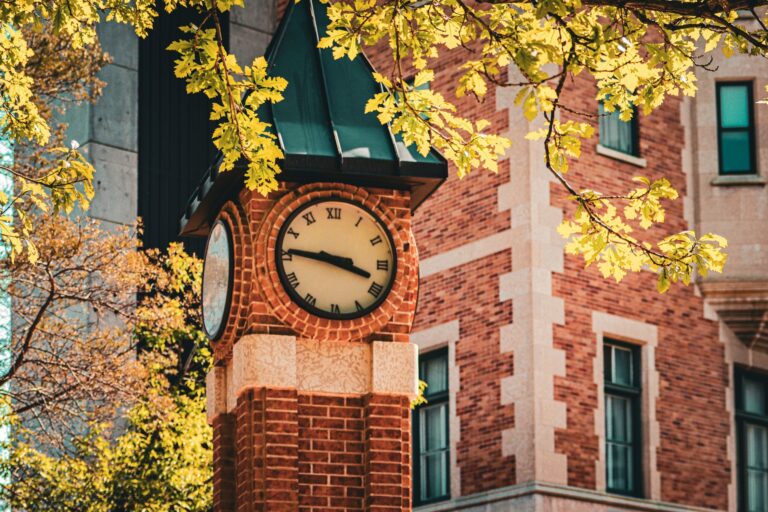
In two weeks, in the night from Saturday to Sunday, 25 October 2026, clocks in Germany go back from 3am to 2am. If you are out late, on a night shift or travelling, you gain an hour. If you have small children, you will notice on Monday that their body clock runs to a different schedule.
The rule has not changed. According to the national metrology institute PTB, summer time ends “on the last Sunday of October at 3am Central European Summer Time”. The hour between 2am and 3am therefore happens twice; the PTB calls the two passes 2A and 2B.
What actually happens overnight
Smartphones, computers and smartwatches switch on their own, as do most radio-controlled clocks. You will have to change the oven, microwave, car clock and wall clocks by hand. If you set an alarm for Sunday morning, your phone will get it right; an analogue alarm clock will not.
Rail has its own logic. According to the tech site netzwelt (1 October 2026), long-distance and night trains stand for an hour at a station or the next signal during the change and then continue on the regular timetable, so no train arrives an hour early. S-Bahn services usually run twice, for example at 2:34am summer time and again at 2:34am standard time, though this depends on the city. If you are travelling from Munich overnight, check the journey planner beforehand rather than trusting a timetable in your head.
Winter opening hours at Tierpark Hellabrunn also start on 25 October: daily 9am to 5pm, according to muenchen.de. If you plan a Sunday outing with children, expect noticeably less afternoon daylight.
Children: start early
“Our body clock follows light, habits and fixed daily routines, not the wristwatch,” writes Berliner Kurier (26 September 2026), adding that the body often needs several days to adjust. Parents know the effect: on Sunday the child wakes “too early” – 5am by the new clock instead of 6am.
A common practical approach: from about the Wednesday before, move the bedtime routine, bedtime and breakfast back by ten to fifteen minutes each day and get plenty of daylight. On Sunday itself, follow the new clock for meals and naps. This is the editorial team’s assessment, not the result of a single study; babies with a very fixed rhythm may need longer.
Will this ever stop?
Not soon. The European Parliament voted to end the clock change in 2019, but EU member states have still not agreed a common position in the Council. The European Commission still wants a coordinated solution; according to newstime/Joyn, a study on the consequences of abolition is due by the end of 2026. A March 2026 poll found 73 per cent of Germans in favour of ending it. Our assessment: a change by 2027 is unlikely, because each country would first have to choose permanent summer or winter time, and neighbours would need to coordinate.
For families the takeaway is simple: mark the date, set household clocks by hand on Saturday evening and plan Sunday a little more calmly.
Sources: PTB, muenchen.de, netzwelt, newstime/Joyn, Berliner Kurier