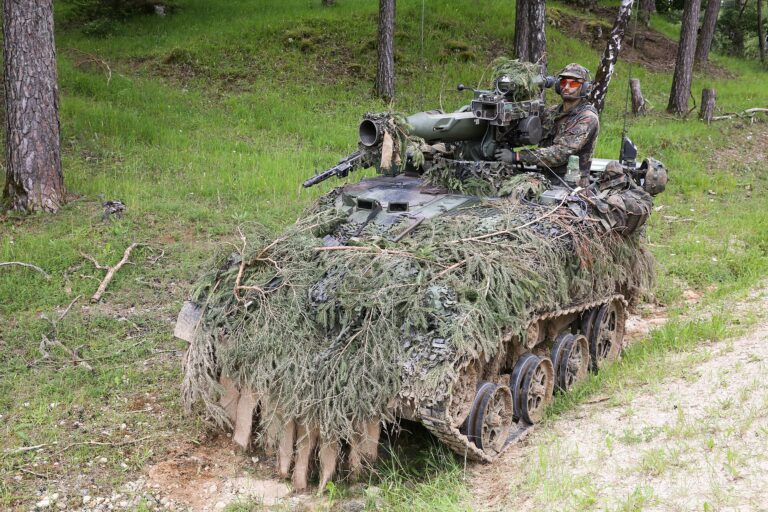
On Thursday 15 October the Bundestag holds its first reading of the Reserve Strengthening Act (Reservestärkungsgesetz, Drucksache 21/8407). It would let the Bundeswehr oblige reservists to serve, even in peacetime and even when neither they nor their employer agree. The cabinet approved the draft on 1 July; the planned start date is 1 January 2027.
Until now the rule has been “double voluntariness”: reserve exercises happen only if both the reservist and the employer consent. Defence Minister Boris Pistorius (SPD) said in the spring: “Deswegen wird es eine Verpflichtung geben” – so there will be an obligation. The reason is a gap in the numbers. At the end of 2024 the ministry counted about 60,000 assigned reservists, but only around 40,000 took part in exercises each year. According to the Bundestag, the target is at least 200,000 reservists within a force of 460,000 combat-ready personnel.
Who is affected, and for how long
Call-ups are tiered: the longer someone served, the longer and more often they can be summoned. That means three to twelve weeks a year and six to twelve months in total. For former regular and fixed-term soldiers the age limit is 65, and 68 in exceptional cases, according to the Bundeswehr. Reservists with more than a year of service could be sent to EU and NATO states and aboard ships and aircraft. Deployments under the Parliamentary Participation Act stay voluntary. People who completed only basic service up to 30 June 2011 would remain callable only on a voluntary basis.
The sources differ on one detail. The May draft set an age limit of 45 for short-service volunteers, whereas the federal government now says the new rules do not apply to former voluntary service members. Which version reaches a vote will become clear in committee.
Employers are promised relief: higher reimbursement for replacement staff, a flat €500 for firms with up to 249 employees when a worker completes at least 30 days of reserve duty, and at least eight weeks’ notice. The bill puts the extra cost at about €43.1 million a year from 2027.
Where it could snag
Employers’ president Rainer Dulger had already urged keeping the current model, saying firms need planning certainty. The Bundesrat backs the aim but wants police, fire and rescue services and prison staff exempted, with security agencies’ consent required for their personnel. The government is looking at the police exemption but rejects a general consent requirement. Thomas Röwekamp, the CDU chair of the Bundestag defence committee, argues Germany cannot afford a reserve that works only on a voluntary basis.
Our assessment: the core idea – obligation instead of double voluntariness – will probably find a majority, since the CDU/CSU and SPD back it. The fight is more likely to be over exemptions for civil protection and whether €500 is enough for small firms. A 1 January start is realistic but not certain, because the Bundesrat and the committee can still amend the text. For Ukrainians in Germany: only people who have already served in the Bundeswehr are affected, not refugees or the population at large.
Sources: Bundestag (hib), Bundestag (text archive), Federal Government, Bundeswehr, t-online