Ukrainian Armed Forces May Face Uniform Shortages: Experts Explain the Issue

Experts warn that the Ukrainian Armed Forces may have to cope without new uniforms due to rising prices and supply shortages.
Economic news on companies, work, consumer issues, markets and developments in Germany and Europe.

Experts warn that the Ukrainian Armed Forces may have to cope without new uniforms due to rising prices and supply shortages.

The coalition partners Union and SPD continue their negotiations on energy price relief, even in the context of the current ceasefire in the Middle East.

The company IGEL has integrated new technologies into its thin client solutions, including containers and artificial intelligence. These developments aim to enhance the flexibility and efficiency of thin client environments.

A recent OECD study shows that Long Covid will impose significant financial burdens on global health systems in the coming years.

The head of the Energy Agency has highlighted the serious impacts of a dilapidated infrastructure that may be felt for years to come.

Michael Hüther, head of the Institute of the German Economy, expresses concerns about a potential cap on fuel prices and an increase in the commuter allowance. These measures could have undesirable economic consequences.

Despite geopolitical tensions and the lingering COVID-19 pandemic, Ukraine is making strides to open up to international business and tourism. This shift could present new opportunities for investors and travelers alike.

The number of special offers in supermarkets has decreased by four percent in the first quarter of 2026. This could pose new challenges for customers in times of rising prices.

Apple is ramping up its acquisition of DRAM memory to create an artificial shortage, potentially disrupting competition in the smartphone market. This strategy could lead to higher prices for consumers as rivals struggle to keep up.

Today, on Good Friday, Pope Leo XIV presided over the Easter celebrations at the Vatican, marking a significant shift in the Catholic Church's approach. His tenure signals a return to traditional rituals that were less emphasized under his predecessor.
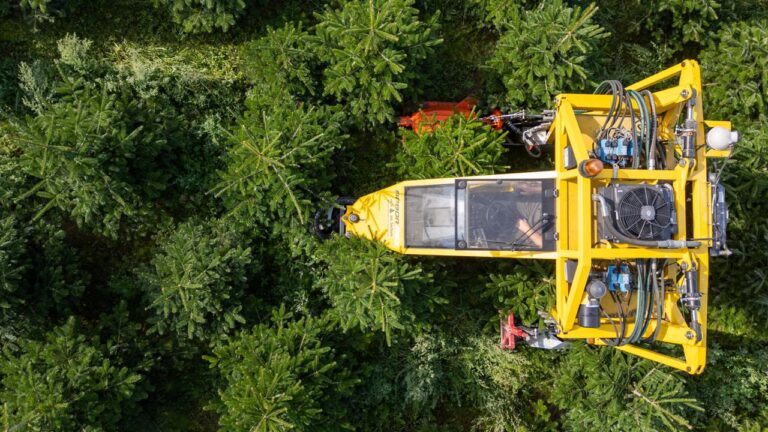

The Ukrainian defense technology market is valued at $6.8 billion, facing challenges due to limited funding. However, segments like drone and robotic systems are experiencing rapid growth.

Visa and RozetkaPay launch a groundbreaking biometric payment authorization in Ukraine, transforming the online shopping experience. This technology eliminates the need for passwords and SMS codes, offering a seamless transaction process.

Real estate prices in Lviv have risen significantly, especially in sought-after neighborhoods, with the average cost of a one-bedroom apartment reaching $71,000. This surge poses challenges for potential buyers in the city.

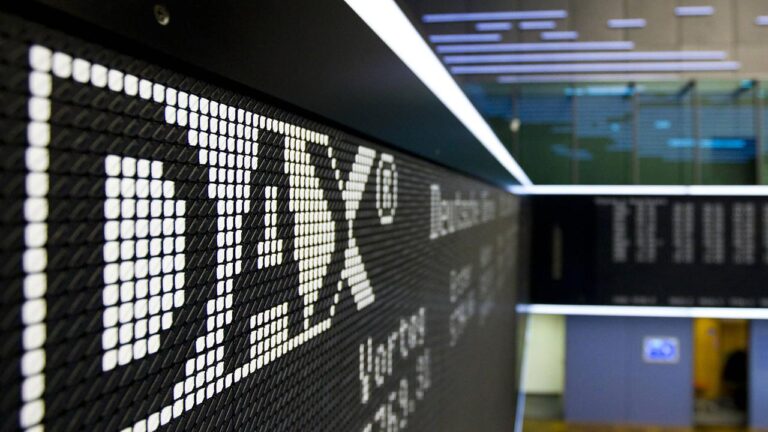
The stock market recovery has come to a sudden halt. The DAX index has fallen below the key threshold of 23,000 points after U.S. President Trump announced 'extremely tough' actions against Iran.

The latest version of XZ Utils addresses serious security vulnerabilities, though the severity of these issues remains debated. Administrators are urged to promptly install the updated packages to mitigate potential risks.

Ukrainian forces have targeted the 'Strela' plant in Bryansk region, aiming to weaken Russia's military-industrial capabilities.

Unilever announces the sale of its food division, marking a significant transformation for the company and the market.

Ukraine is set to receive nearly $1.3 billion from the Japanese government as part of the World Bank's PEACE project, aimed at addressing social needs in the country.

A new study highlights the importance of employee housing in Germany and the challenges facing the housing market.

The Federal Council has approved a framework for the Common European Asylum System, designed to expedite and enhance fairness in asylum procedures across Europe. This move could significantly address the migration challenges faced by the EU.

The Bundesrat's approval of the new wage law lays the foundation for fair compensation and improved working conditions, benefiting both employees and the economy.

The EU-Mercosur trade agreement could have significant implications for economic and geopolitical relations. Experts are discussing its legal and economic impacts on businesses and policymakers.

While the political debate focuses on goods trade and industry, the service sector has long become the hidden driving force of European foreign trade. This often overlooked strength could decisively shape Europe's economic future.

Escalating conflict in the Middle East has rattled commodity markets, with copper prices wiping out all gains made this year—a development that could ripple through the global economy.

Russian hackers are using dozens of Ukrainian websites to infect iPhones with malware. Users should immediately update their devices to the latest iOS version to protect themselves.

The federal government is relying on relief for companies and stricter antitrust law to secure Germany's economic strength in the crisis. At the same time, ministers admit that the window for growth is tight and the infrastructure requires massive investments.

The US Federal Reserve has left its key interest rate unchanged. Given geopolitical tensions and rising oil prices, experts no longer expect interest rate cuts this year.

The German government has approved a new National Economic Security Strategy aimed at making companies more resilient to geopolitical tensions and hybrid threats.

Voters in Rhineland-Palatinate head to the polls on March 22nd to elect a new state parliament, facing a critical choice between bolstering thriving industries and addressing persistent regional inequalities.

Germany's benchmark DAX index continues its upward trend, trading at 23,900 points in early trading. The recovery comes despite weeks of market pressure from the Iran conflict.

A year after the establishment of a federal special fund, municipalities in Bavaria are still waiting for €15.7 billion in promised funding, delaying urgent investments in schools, bridges, and infrastructure.

Two leading economic research institutes accuse the German government of misusing billions from its special fund, claiming the money is being used to cover budget deficits rather than for promised climate and infrastructure investments.

Germany's €100 billion defense fund, meant to modernize the military, is now fueling legal accounting tricks instead of real investments. This fiscal sleight of hand risks national security and burdens taxpayers with debt that buys no tangible security upgrades.

Germany's 500-billion-euro 'future fund' is veering off course, with experts warning it's patching budget holes instead of funding climate projects. The government denies this fiercely, sparking a heated debate over fiscal priorities.

German cities and towns are facing a severe financial strain, with a new expert report warning that proposed progressive debt limits could push many municipalities deeper into crisis.

Germany's benchmark stock index remains surprisingly stable despite a slight uptick in oil prices. However, many investors are holding back, with fears over the economic fallout from the energy crisis continuing to dampen sentiment.

The multi-billion euro special fund for infrastructure and climate protection is barely being used for its intended purposes, according to recent studies. Instead, the majority of funds are being diverted to plug budget gaps—a practice sharply criticized by the opposition.

A new analysis reveals that the bulk of Germany's 500-billion-euro special fund for infrastructure and climate neutrality has been used to plug budget gaps instead of funding new projects.

A new law establishes nationwide minimum security standards for hospitals, energy, and water supplies, aiming to bolster Germany's resilience against cyberattacks and sabotage.

A roundtable discussion examines the future of European capital markets in a world shaped by Donald Trump's policies, with experts warning of rising risks and calling for decisive European responses.